Dog breeds

Siberian Husky

The Siberian Husky is a fearless athlete and an escape artist who prefers singing his stories rather than barking. This breed is for those who love movement as much as they enjoy the daily challenges to their patience.

Book a visit
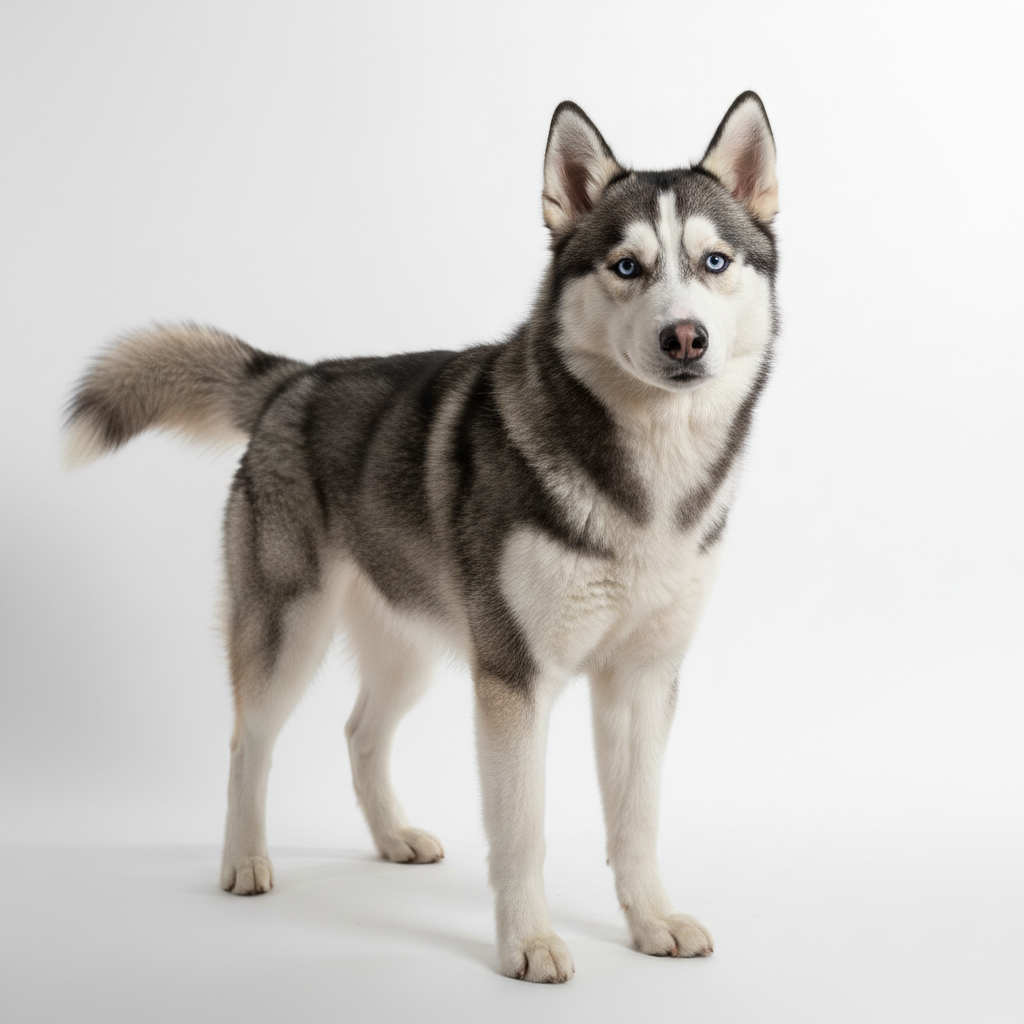
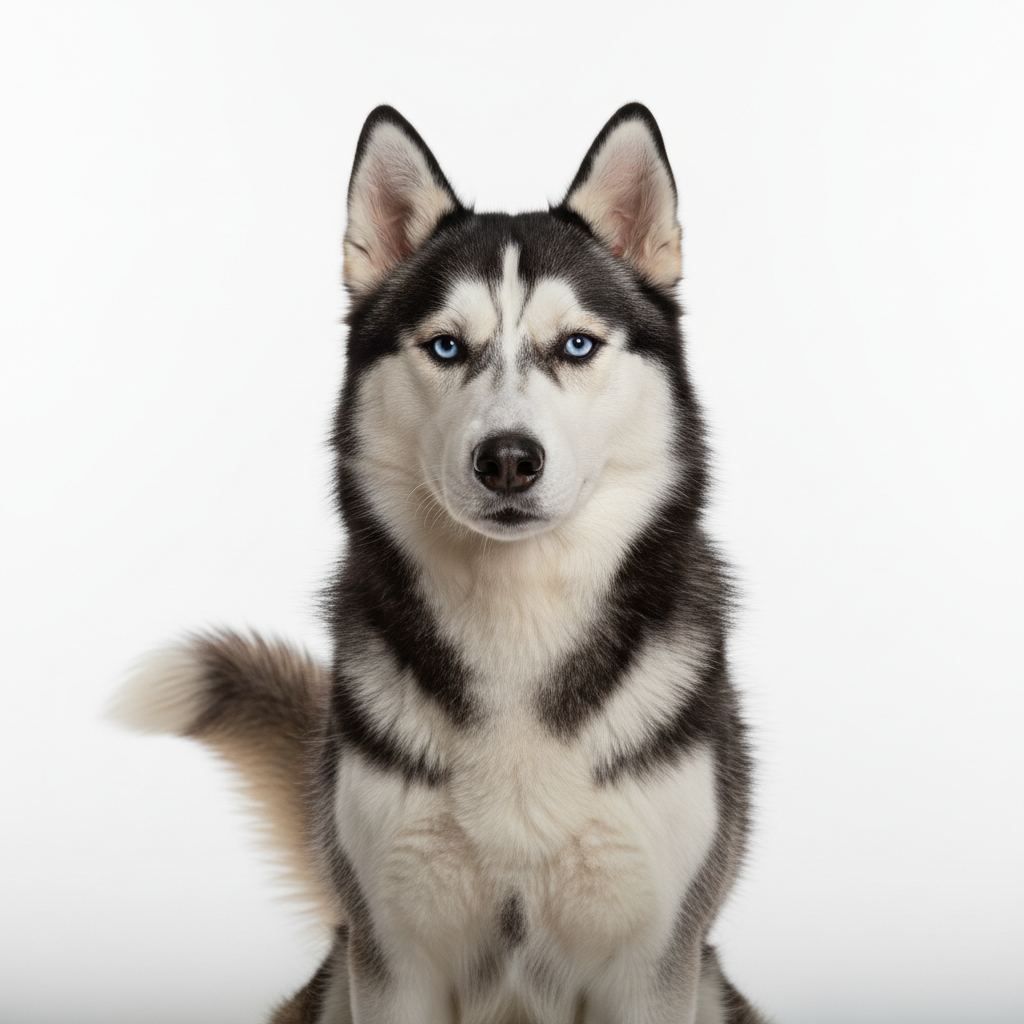
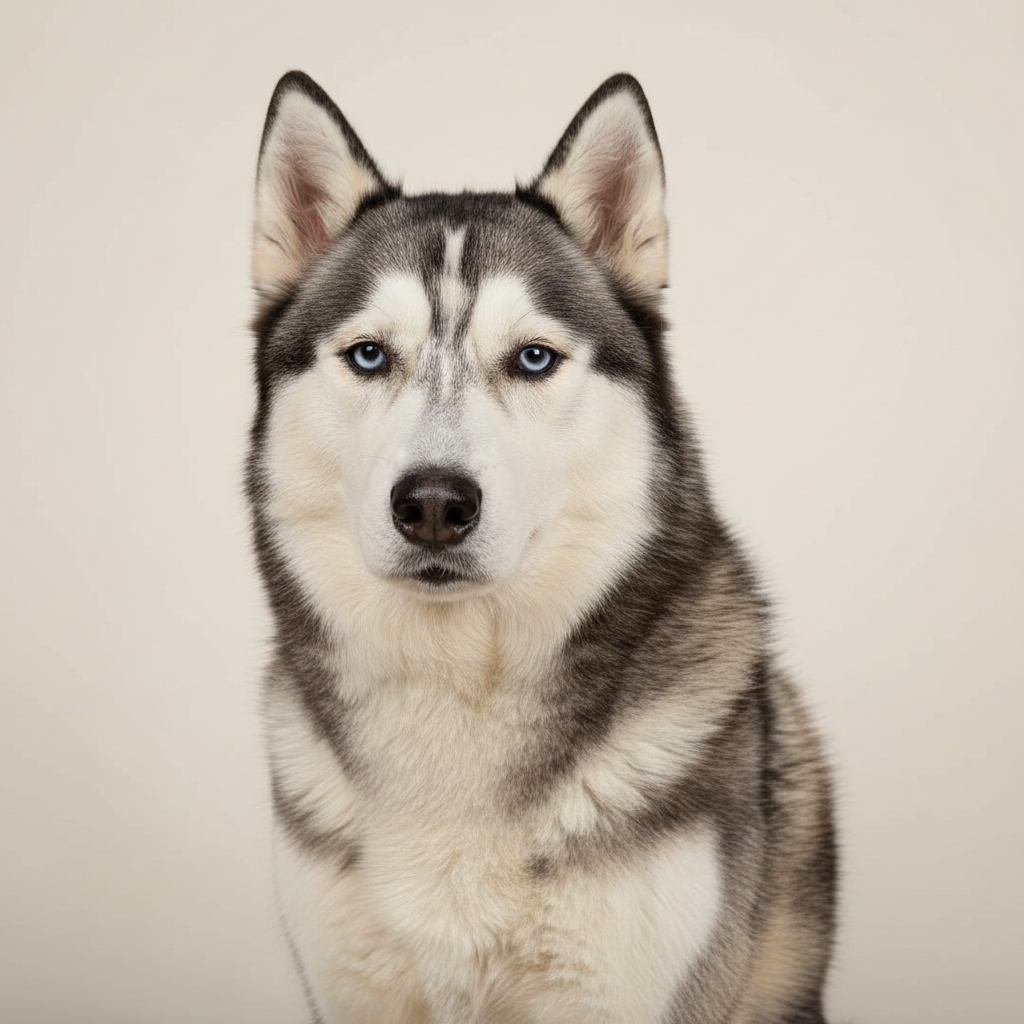
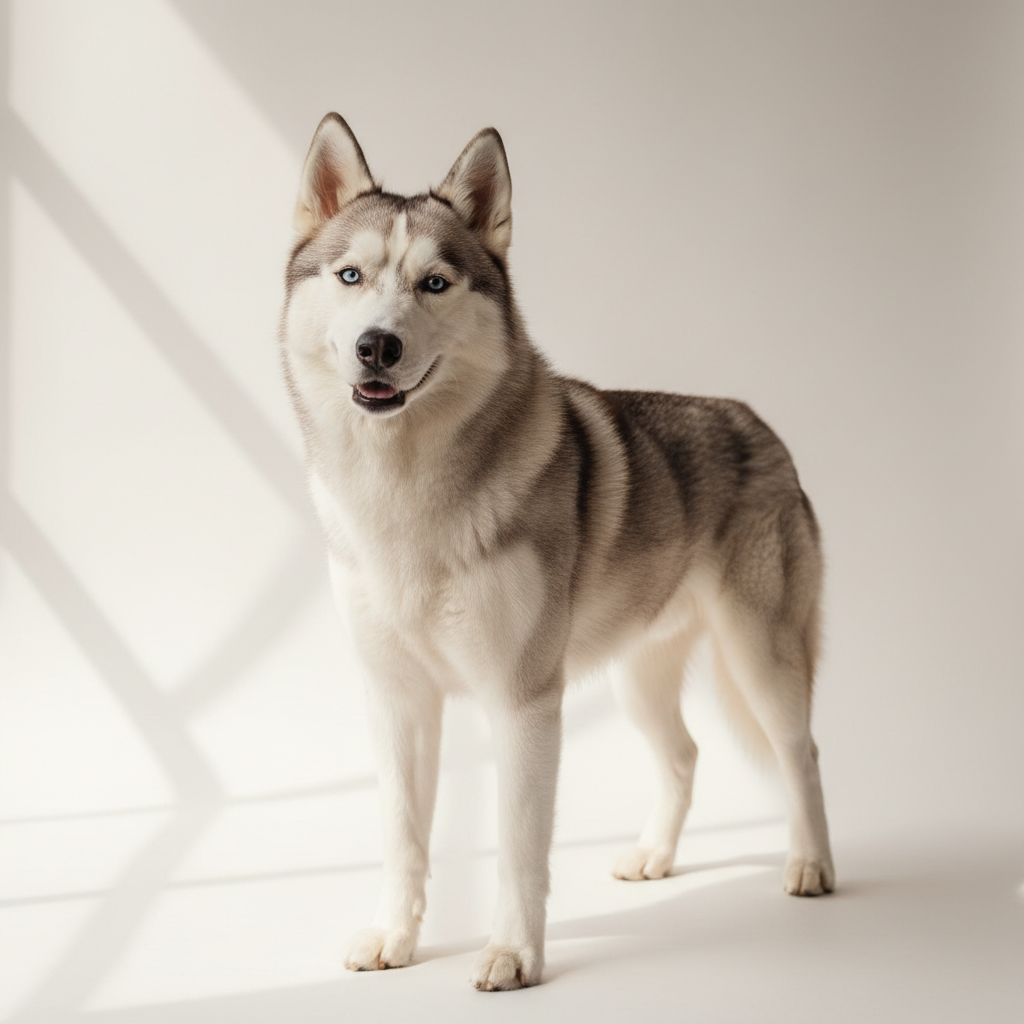
Adult Siberian Husky dog

Quick Breed Facts

Size
Medium
Weight
Males typically weigh between 20 and 27 kg, while females are lighter, ranging from 16 to 23 kg. At our salon in Marki, we often observe structural differences depending on the breeding line, where working dogs tend to be leaner than show dogs. Maintaining a correct weight is crucial for their joint health given their highly active and athletic lifestyle.
Height
Height at the withers for males ranges from 53 to 60 cm, and for females from 50 to 56 cm. These are proportionally built dogs that should not appear heavy or, even more so, clumsy. Their silhouette is naturally designed for endurance running, which we always take into account when assessing their condition before a bath in the salon.
Life expectancy
The average lifespan of a Siberian Husky is about 12-15 years, which is a very good result for a dog of this size. A proper diet and regular skin care prevent inflammations that could burden the dog's body in older age. At Brego, we ensure that older dogs feel comfortable and safe during long sessions of brushing out dead hair.
Coat
The coat is double, consisting of a very soft, dense undercoat and straight, close-fitting guard hairs. The undercoat acts as excellent thermal insulation, protecting the dog from both frost and summer heat. It must never be shaved with clippers, as this permanently destroys the skin's natural protective barrier and disrupts the thermoregulation process.
Shedding
High

Breed Ratings

Energy
Grooming difficulty
Trainability
Family friendly
First-time owners
Shedding
Apartment friendly
Child friendly

Professional grooming tailored to your breed. Book your slot online.

Book a visit

Personality & temperament

The Husky personality is a blend of independence, humor, and immense stubbornness, often displayed during grooming sessions. They are famous for 'talking' to their owners, using a wide range of howls and grumbles to express their opinion on everything. A Husky doesn't obey blindly; they always analyze whether a command is worth their effort at that moment. In the salon, they can be quite dramatic, making sounds that suggest great distress when they simply dislike standing still. Their joyful approach to life ensures that every moment spent with them is unpredictable and full of emotion. The breed's temperament is characterized by a strong pack drive, yet it lacks typical submissiveness toward the handler. They possess a very high prey drive, making every cat or squirrel an immediate target for a chase. Huskies rarely show aggression toward humans; on the contrary, they greet every stranger like an old friend. They are highly intelligent, but their intelligence is mostly used for problem-solving tasks like 'how to open this cabinet' or 'how to jump this fence.' Their stable temperament allows them to thrive perfectly within a group of other northern dog breeds. In social relations, Huskies are extremely sociable and do not tolerate long-term solitude well, which can lead to separation anxiety. On walks, they usually seek contact with other dogs, although their specific play style—loud and physical—might be misinterpreted by other breeds. Towards children, they are generally very patient and gentle, making them good family dogs for active households. At Brego salon, we observe that they feel best in the company of other dogs, which boosts their confidence during bathing. However, caution is needed with small pets, as a Husky may perceive them as prey. Despite their physical toughness, Huskies are dogs with high emotional sensitivity to voice tone and their owners' moods. Using forceful training methods results in a total breakdown of cooperation and the dog's withdrawal. They are confident when exploring new terrain but can panic at sudden, unfamiliar noises in an enclosed space. During a groomer visit, they require a patient approach and trust-building rather than coercion, which only intensifies their resistance. The key to success is understanding their subtle stress signals, such as lip licking or avoiding eye contact.

Is this breed right for you?

The ideal Husky owner is a physically active person who enjoys outdoor challenges regardless of the weather. You must be patient and consistent, as this breed is famous for its independence and 'talking back' when they disagree. In our Marki salon, we often see that the happiest dogs are those whose owners treat grooming as a bonding ritual rather than a chore. You should accept that your life and clothes will be covered in a layer of fur, especially during shedding seasons. This breed is perfect for runners, hiking enthusiasts, and people practicing dogtrekking. They will thrive in active families where there's constant movement and the dog can feel like part of the pack. They are suitable for people living in houses with securely fenced gardens, provided they get enough exercise outside the property. Huskies get along great with other dogs, making them a good choice for households that already have another energetic canine.

Who may struggle with this breed

A Husky is not a dog for homebodies who dream only of relaxing on the couch after work. We strictly advise against this breed for neat freaks for whom clumps of fur in every corner of the house will be a source of frustration. They won't work for people expecting absolute obedience – a Husky is not a German Shepherd and will always question the command's logic. Also, city center apartment dwellers without time for 10-kilometer daily walks should reconsider this breed.

Grooming

During the shedding season, which occurs twice a year, a Husky requires daily, intense brushing by the owner. A professional visit to the Brego salon every 2-3 months allows for deep removal of the dead undercoat using high-velocity dryers and specialized tools. Regularity in this area prevents the formation of painful matting and felting close to the skin. The grooming schedule should be based on coat change cycles, typically intensified in spring and autumn. Outside the peak shedding season, a bath and brushing once a quarter is quite sufficient to maintain the hygiene and health of the coat. It is crucial not to miss the moment the coat starts 'blowing' to avoid blocking air flow to the skin. For Huskies, we focus exclusively on a natural look and the 'deshedding' technique, which is the mechanical removal of dead undercoat. We do not apply fancy hairstyles or trim furnishings, focusing only on the aesthetic leveling of the paws and sanitary hygiene. Our primary goal is to bring out the shine of a healthy, clean coat without any interference with its natural structure. The biggest challenge is a felted undercoat, which in this breed can create an air-impermeable 'shell', leading to painful hot spots. These dogs can also be very vocal and impatient on the grooming table, requiring a lot of patience and a calm behavioral approach from us. Incomplete drying of such dense fur after a bath is the easiest way for fungal infections to develop on the dog's skin. At home, the absolute basic is having a proper comb with rotating teeth and a professional slicker brush for combing out the tail. We recommend avoiding the Furminator without experience, as it can accidentally cut healthy guard hair instead of removing undercoat. Regularly checking paw pads and trimming excess hair between them prevents bringing in mud and the formation of ice balls. A Husky puppy must get used to the noise of the dryer and the touching of paws and ears from the first weeks in its new home to facilitate cooperation in adulthood. At the Brego salon, we offer special adaptation sessions where the pup learns the scents and practices standing calmly on the table. Early introduction of brushing as a form of relaxation and rewarding builds a lasting, positive relationship between the dog and grooming procedures.
Lifestyle requirements

Living with a Husky is a lifestyle based on movement and readiness for surprises. You must plan for at least two hours of intense activity per day to tire the dog both physically and mentally. Be prepared for the breed's specific vocalization, which can be bothersome for sensitive neighbors in apartment buildings. Regular visits to a professional groomer are required to professionally blow out the dead undercoat, saving your floors and the dog's skin. A simple walk on a leash around the block is just a warm-up for a Husky that won't tire them out. This breed needs aerobic exercise like bikejoring, canicross, or long forest treks, for example in the areas around Marki. Lack of proper exercise leads to destructive behavior at home and escape attempts. Remember that Huskies have a strong prey drive, so activities should be done on a long line or in a very securely fenced area. A Husky's brain needs challenges to prevent them from planning a home 'demolition.' Snuffle mats, Kong-type toys, and trick training work great, though the latter requires the owner to have a great sense of humor. It's worth introducing obedience elements during walks so the dog has to focus on the handler despite distractions. Huskies love solving puzzles, so hiding treats in the garden is excellent fun for them.

Guide for new puppy owners

Preparing your home for a Husky puppy requires securing all cables and valuables, which will definitely be tested by their teeth. Invest in a sturdy kennel crate, which will become the dog's safe haven and facilitate potty training and learning to be alone. The garden must have a fence at least 1.8m high, preferably with a concrete base, as Huskies are masters of climbing and digging. Buy a set of brushes (rotating undercoat rake and a slicker brush) and desensitize the pup to them from day one, rewarding calm behavior. The first month is a time of intensive learning of house rules and building your authority. Expect sleepless nights, potty training every 2 hours, and the famous puppy 'singing' when they feel lonely. This is a crucial moment to introduce a routine of walks and meals, which gives the dog a sense of security. You will notice that a Husky puppy has endless energy (zoomies), which is best channeled through safe indoor play.

New owner checklist

  • Enrolling in a puppy preschool with a focus on socialization
  • Scheduling an adaptation visit at a grooming salon
  • Securing the fence and checking for potential dig-outs
  • Establishing a consistent daily schedule and meal times
  • Purchasing a long training line (10-15 meters)
  • Choosing a trusted veterinarian in the Marki area
  • Preparing a training plan focused on recall

Required supplies

  • Undercoat rake with rotating teeth
  • Slicker brush
  • Sturdy kennel crate sized for adult growth
  • Guard-style harness (non-restrictive for shoulder movement)
  • Durable chew toys made of hard rubber
  • Long training line instead of a retractable leash
  • High-quality, high-protein food for active breeds

Common owner mistakes

The biggest mistake we encounter at the Brego salon is clipping or shaving a Husky with clippers – this destroys the hair structure and disrupts thermoregulation. Many owners let their dogs off-leash in the forest, believing in their recall, which often ends in the dog getting lost due to their chase instinct. Another common mistake is failing to crate train from puppyhood, which often leads to separation anxiety in this breed. Ignoring early socialization with grooming procedures is also a mistake, resulting in 'battles' on the grooming table in the future.

Life stages of the breed

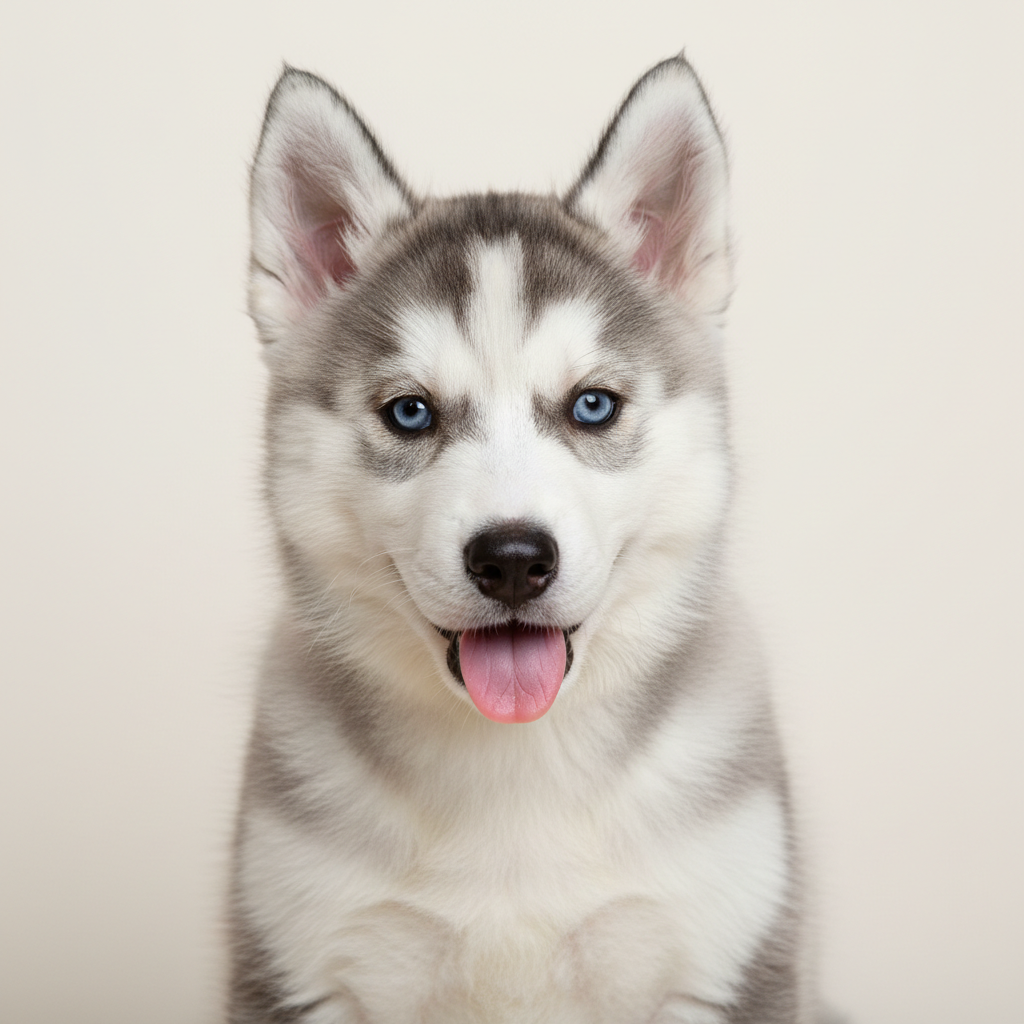
Siberian Husky puppy

Puppy

A Husky puppy is a soft ball of fluff that primarily requires smart socialization with grooming procedures. At this age (up to 6 months), the dog learns that touching paws, the sound of the dryer, and brushing are not threatening. It is important not to miss this developmental window, as a 25kg adult Husky can be difficult to manage on the table. Puppies have a specific 'baby coat' that is very absorbent and easily picks up burrs and mud.

Grooming: Adaptation visits, gentle brushing with a soft brush, and nail trimming every 2-3 weeks.

Siberian Husky young dog

Young dog

A young Husky (6-18 months) undergoes its first very intensive coat change to adult fur. This is a rebellious period where the dog often shows excess energy and may try to 'discuss' with the groomer using characteristic howling. The hair becomes stiffer, and the undercoat starts to come out rapidly in clumps, requiring patience from the owner. Regular salon visits during this time will help the dog accept the grooming routine for life.

Grooming: Intensive brushing of dead fluff and teaching calm standing using behavioral techniques.

Siberian Husky adult dog

Adult dog

An adult Husky has a fully developed, double-layered coat that is a miracle of natural engineering. This coat protects the dog from frost down to -40 degrees but also insulates against the heat on summer days in Marki. Twice a year, a shedding process occurs, which without professional help can last for weeks and be burdensome. A healthy adult Husky should have clean ears, short claws, and a shiny coat free of dead, matted undercoat.

Grooming: Comprehensive deshedding every 3 months, plus regular refreshing baths and ear cleaning.

Siberian Husky senior dog

Senior

Senior Huskies (over 8-9 years old) require special empathy from the groomer due to frequently occurring joint problems. At Brego, we shorten treatment times and use non-slip mats so the senior feels safe and stable. An older dog's coat may become drier or thinner, and the skin loses elasticity, requiring the use of gentler cosmetics. We also often observe faster nail growth in seniors because the dog moves less and doesn't wear them down naturally.

Grooming: Gentle grooming with orthopedic support, frequent nail trimming, and skin moisturizing.

Popular grooming styles

Professional Deshedding Treatment

This is the most crucial treatment for a Siberian Husky, focusing on removing dead undercoat without damaging the guard hair structure. At the Brego salon, we use professional high-velocity dryers that literally 'blow out' dead hair, which is much more effective and safer than standard brushing. Thanks to this procedure, the dog's skin can breathe, and the owner enjoys significantly less fur on their carpets. Remember that a Husky should never be clipped with a machine, as this destroys its natural thermoregulation.

Maintenance:Moderate

Outline and Paw Trim

This treatment involves a subtle leveling of protruding tufts of fur on the breeches and tail, giving the dog a neat and show-ready appearance. We also focus on precisely trimming the hair between the paw pads, which prevents the dog from slipping on floors and bringing sand into the house. In Marki, we often see Huskies running through the forests, which is why it is so important for the paws to be 'closed' and clean. This is a style that is completely safe for the double coat, emphasizing the breed's natural, athletic silhouette.

Maintenance:Easy

Nourishing Bath with Deshedding Mask

For Huskies with exceptionally thick or neglected fur, we use specialized mud baths or high-moisture masks. These products loosen the hair follicles, allowing for the painless removal of the old coat during drying. At Brego Dog Grooming, we emphasize thoroughly drying the dog down to the skin, which prevents hot spots from forming under the dense undercoat. This treatment makes the coat shiny, elastic, and resistant to picking up dirt during walks.

Maintenance:Easy

Najczesciej zadawane pytania

Book a visit for your dog

Professional grooming tailored to your breed. Book your slot online.

Book a visit

We use cookies

We use cookies to improve your experience, analyse site traffic and show personalised ads. You can accept all cookies or manage your preferences.