Dog breeds

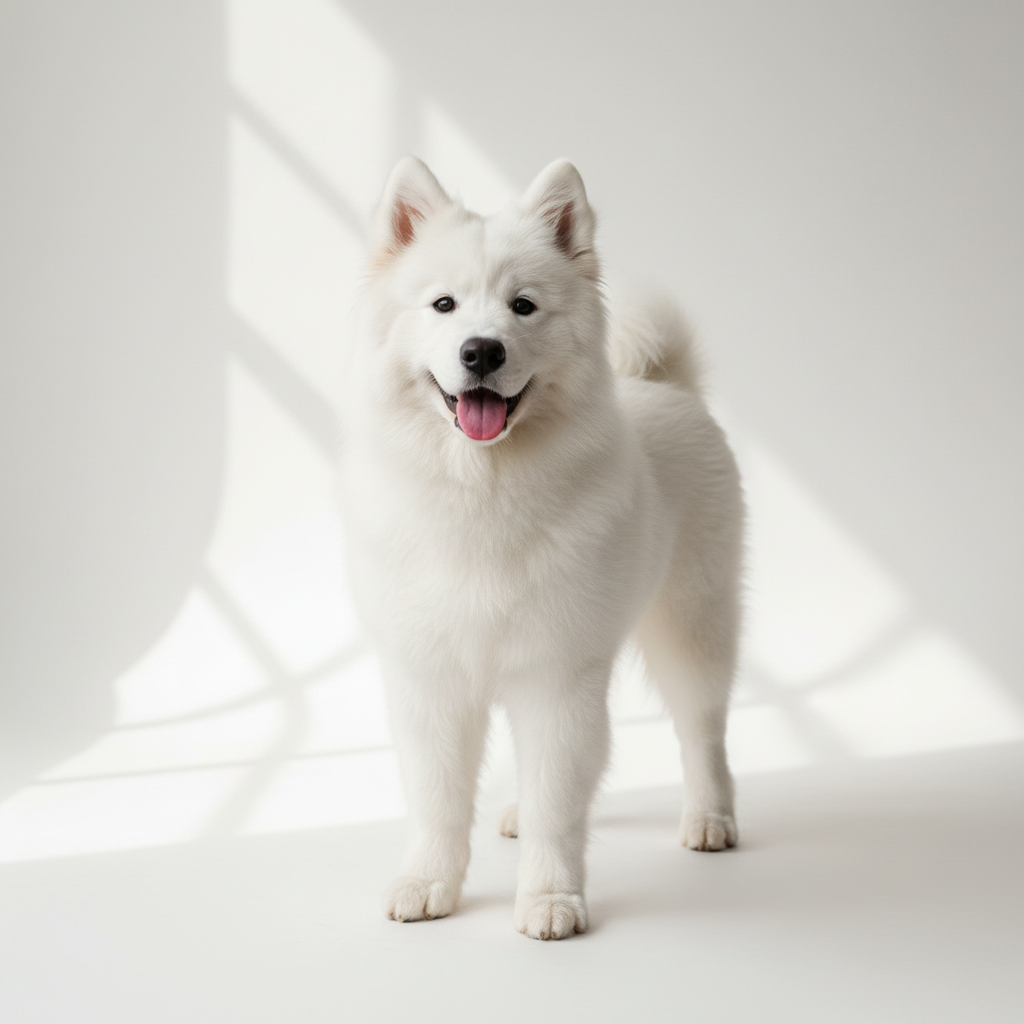
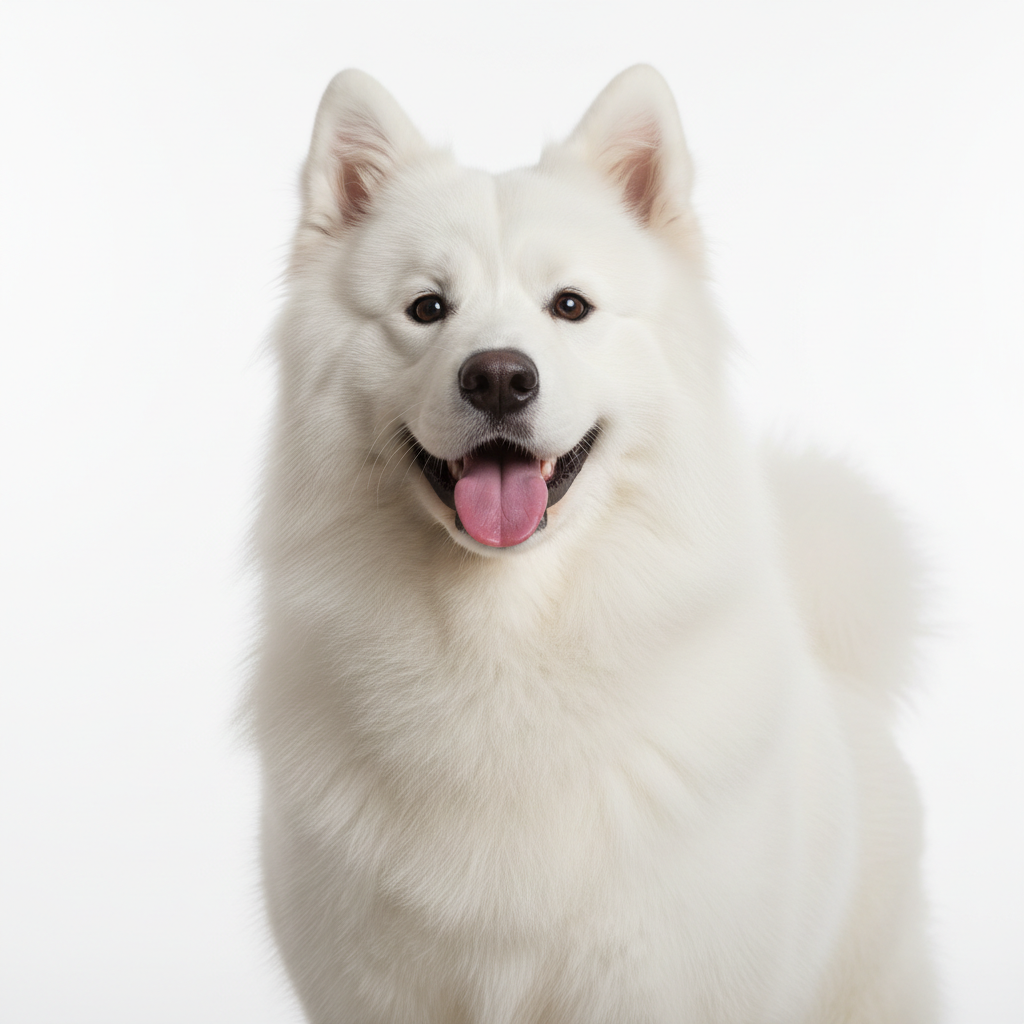
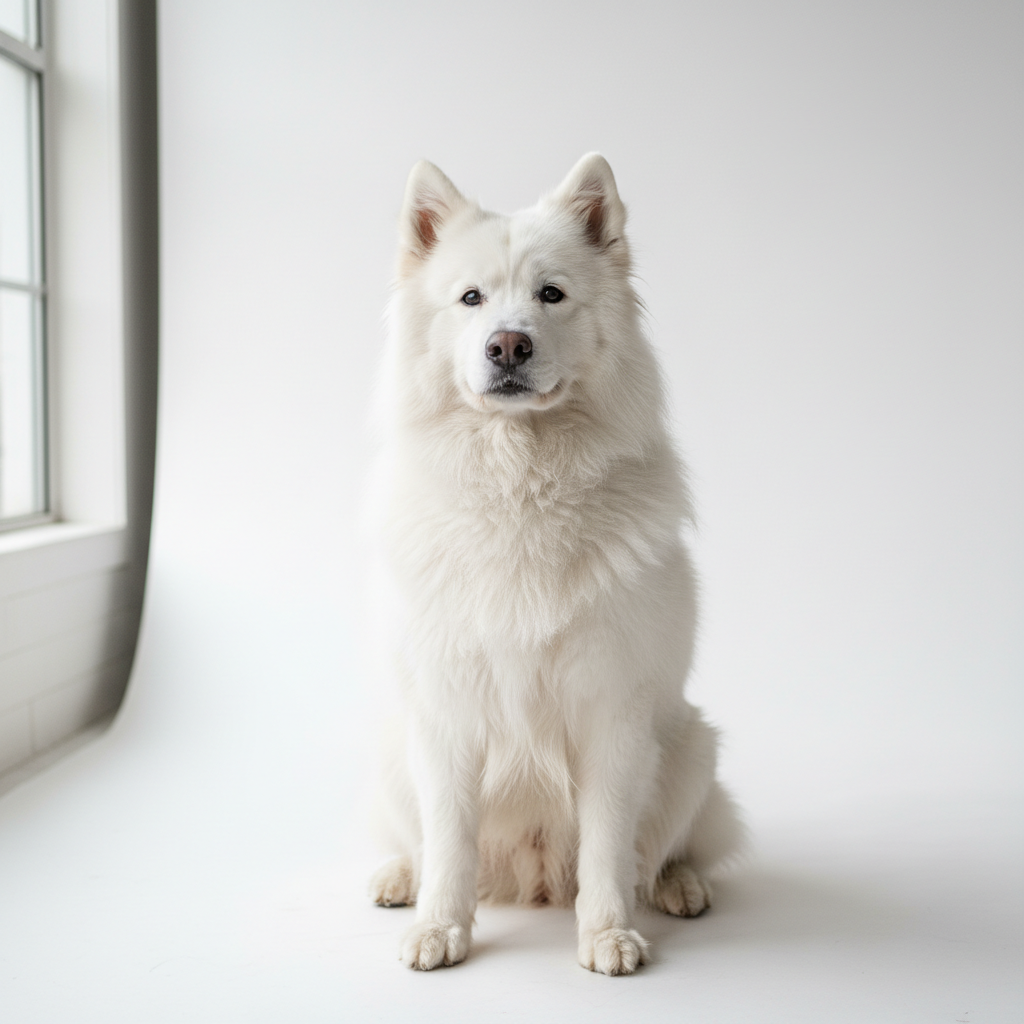
Samoyed

The Samoyed is not just a smiling white cloud, but a strong working dog with immense grooming needs. At Brego Dog Grooming Salon, we know exactly how to manage this demanding coat to keep your pet healthy and shining.

Book a visit
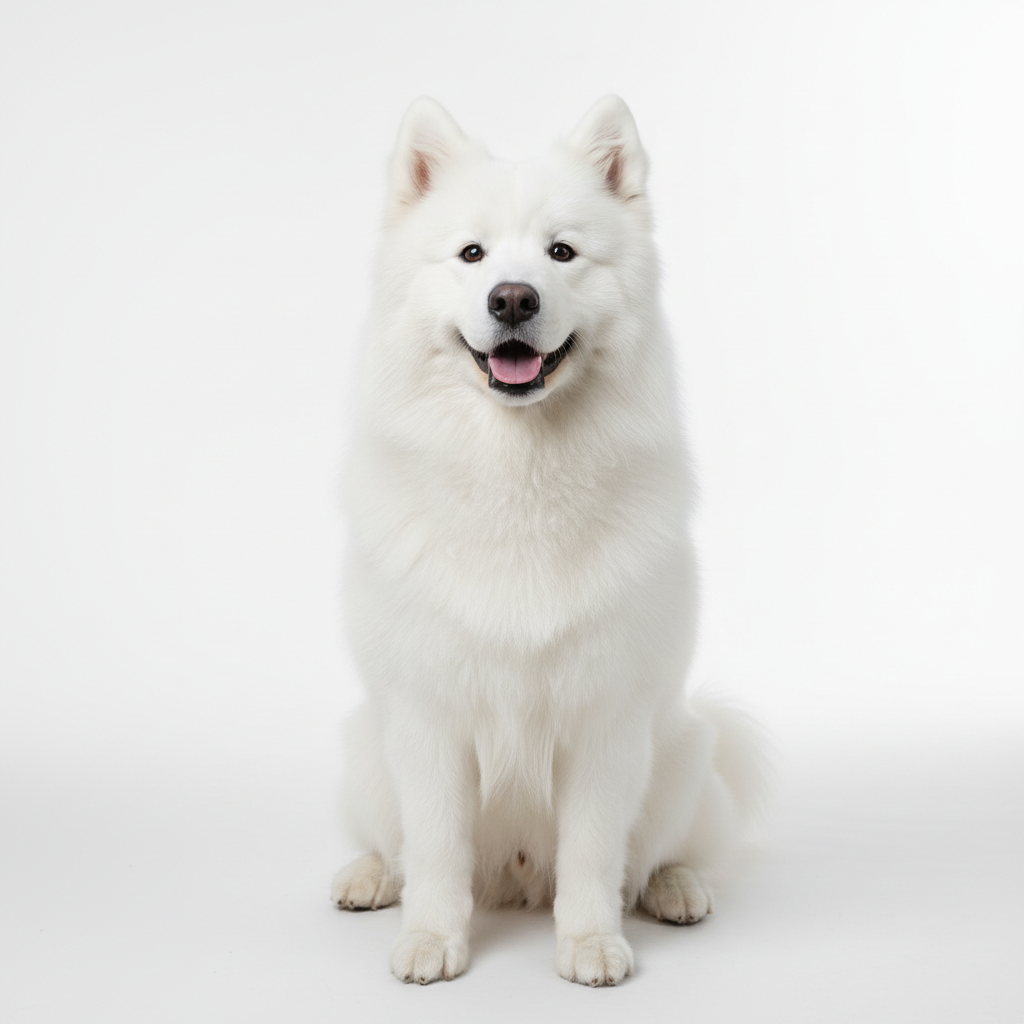
Adult Samoyed dog

Quick Breed Facts

Size
Large
Weight
Males typically weigh between 20 and 30 kg, while females are noticeably lighter and more refined in build. At our salon in Marki, we often encounter males with powerful chests that require a sturdy grooming table. This weight reflects the dog's strength, which is a crucial factor when they try to jump out of the tub during bathing.
Height
Standing between 50 and 60 cm at the withers, the Samoyed falls into the medium to large dog category. Males are taller and possess a more impressive ruff around the neck, which visually enlarges their silhouette. Correct height goes hand-in-hand with elegant movement, which we strive to highlight through proper coat preparation.
Life expectancy
Samoyeds are relatively healthy Nordic dogs, living on average between 12 and 14 years. Longevity depends on diet, adequate exercise, and regular hygiene, including monitoring skin health under the dense coat. At Brego Dog Grooming Salon, we see that well-maintained dogs enjoy a white, shiny coat even in their senior years.
Coat
This is a classic double coat with a dense, woolly undercoat and a harsh, weather-resistant topcoat. Samoyeds possess a self-cleaning coat, meaning mud and sand often fall off easily once dry. Unfortunately, this same characteristic means that in a home environment, the undercoat can quickly mat into difficult-to-remove felts.
Shedding
High

Breed Ratings

Energy
Grooming difficulty
Trainability
Family friendly
First-time owners
Shedding
Apartment friendly
Child friendly

Professional grooming tailored to your breed. Book your slot online.

Book a visit

Personality & temperament

The Samoyed's personality is a blend of intelligence, stubbornness, and a deep-seated need to be part of the human pack. They are exceptionally vocal dogs that communicate using a wide range of sounds, from rumbles to melodic howls. In behavioral work, I notice that Samoyeds often try to negotiate commands rather than blindly following them. They require a creative approach to training, as boring repetition of the same tasks quickly discourages their cooperation. Their joyful disposition makes them excellent family dogs, provided the owner can establish clear boundaries. The Samoyed's temperament is balanced and friendly, yet they possess a strong innate prey drive. During walks around Marki, I often see them suddenly liven up at the sight of fleeing wildlife, requiring high alertness from the handler. They are not territorial dogs, so they rarely excel as guard dogs – they are more likely to greet any visitor with an enthusiastic 'smile' than a menacing growl. They show great patience, but their high energy levels must be depleted to prevent them from becoming destructive at home. The breed's emotional stability means they rarely exhibit anxious behaviors if properly socialized. In social relations, Samoyeds are true social butterflies and usually get along famously with other dogs. Their play style is quite vocal and physical, which can sometimes be misinterpreted by owners of other breeds as aggression. In our salon, we observe that Samoyeds very eagerly interact with staff, seeking physical contact and affection. They dislike isolation and, if left alone in a yard, will loudly demand to be let back inside. They are trusting toward strangers, making them one of the most pro-social spitz-type breeds. Despite their robust stature, Samoyeds are dogs of surprising emotional sensitivity to their owners' moods. Shouting or harsh physical corrections can cause the dog to become distrustful and avoid human contact. At the same time, they possess great confidence when exploring new territory and a lack of fear regarding city noises if they have been habituated to them. When working with this breed, building a relationship based on mutual trust rather than dominance is key. We often see that a Samoyed who trusts their groomer endures brushing sessions with almost stoic calm.

Is this breed right for you?

The ideal Samoyed owner is an active individual who treats their dog as a full family member and isn't afraid of grooming challenges. You must be patient and consistent, as these dogs tend to 'talk back' and test how much they can get away with. At our Brego salon in Marki, we often see that people who love long walks regardless of the weather thrive best in this role. A sense of humor is also vital to help you survive the sight of white fluff on your favorite black blazer. This breed is for someone who can build a relationship based on partnership rather than blind obedience. Samoyeds fit perfectly into families with children, provided these interactions are supervised and the dog has a quiet space to rest. They are suitable for people living in houses with gardens, but can also adapt to apartment living if the owner provides sufficient exercise. This breed is a great choice for dog trekking or canicross enthusiasts, as they need a purpose during physical activity. They work well for those who work remotely or can spend a lot of time with the dog during the day to prevent separation anxiety. These are social dogs that do not tolerate long-term isolation from people well.

Who may struggle with this breed

A Samoyed is not for people who value perfect cleanliness and a home free of dog scent, as their shedding is intense and ubiquitous. We strongly discourage this breed for individuals with a sedentary lifestyle, as a bored Samoyed can become destructive and a nuisance barker. This is not a kennel dog or a guard dog – their friendly disposition means they would likely greet a burglar with a wagging tail. People with fragile health or the elderly may struggle to restrain a strong, pulling dog weighing up to 30 kilograms. If you don't have time for weekly, multi-hour brushing sessions, this breed will quickly become a source of frustration.

Grooming

A professional salon visit should occur every 6-8 weeks to maintain hygiene and control shedding. More frequent baths are recommended during intensive shedding periods in spring and autumn to remove dead undercoat faster. Regularity helps avoid hours of painful detangling of neglected coats, which is exhausting for both the dog and the groomer. The schedule primarily includes deep brushing, bathing with professional whitening and moisturizing shampoos, and precise drying with high-velocity blowers. We don't forget paw hygiene, trimming hair between the pads, and ear and nail care. Each session ends with blowing out the remaining dead hair, which drastically reduces the amount of fur in the client's home. Samoyeds must never be clipped short with a machine, as this destroys their thermoregulation and hair structure. Styling in our salon focuses on contouring the paws into cat paws and delicately leveling the breeches and ruff with thinning shears. The goal is a natural, fluffy cloud look that emphasizes the proud and joyful character of this breed. The biggest challenge is matting behind the ears, under the armpits, and around the tail where friction is highest. Insufficient drying at home is also a common problem, leading to skin hotspots and an unpleasant wet dog smell. Owners often give up when faced with a compacted undercoat, requiring our intervention with specialized conditioners and tools. At home, the key is daily brushing of critical areas using a long-toothed metal comb and a slicker brush. Avoid surface brushing, as this only smoothes the topcoat while leaving mats right against the skin. We recommend using detangling sprays to prevent dry hair from breaking during home maintenance. Puppies should be socialized with the sound of the dryer and the touch of tools starting from 3 months of age, even if their coat doesn't require intensive work yet. At Brego Dog Grooming Salon, we offer adaptation visits where the pup explores the tub and table through play. Early socialization with a groomer prevents fear of water and reduces stress during long grooming sessions in adulthood.
Lifestyle requirements

Living with a Samoyed requires flexibility and readiness to live according to the seasons, with special focus on protecting the dog from summer heat. They demand constant contact with family members and active participation in daily life, otherwise, they exhibit destructive behaviors. An owner must accept that white fur will be present in food, on furniture, and in the car year-round. Providing a cool place for the dog to rest is essential, especially in modern, heat-trapping buildings. One must also consider their tendency for vocalization – Samoyeds 'sing', howl, and bark, which can be a challenge for neighbors in an apartment building. These are working dogs that need more than just a short walk around the block for physiological needs. They require at least one long, active walk daily lasting 60-90 minutes, preferably in varied terrain. They excel in pulling sports like bikejoring or sledding, which allows them to release pent-up energy. It is important to remember their strong hunting instinct, which often makes it impossible to let them off-leash in forests or parks without a training line. A lack of proper physical stimulation quickly translates into behavioral problems and persistent pulling on the leash. Samoyeds are intelligent and bore easily, so mental stimulation is just as important as physical exercise. It's beneficial to introduce scent work, such as searching for hidden treats or working on a snuff mat, which helps calm these dogs down. Obedience training should be short, dynamic, and based on positive reinforcement to maintain the dog's interest. Working on emotional regulation and teaching 'disengagement' is key to preventing the dog from reacting with excitement to every external stimulus. Interactive toys and puzzles are also a good idea to keep the dog occupied while you are away from home.

Guide for new puppy owners

When preparing for a Samoyed puppy, you must cover floors with non-slip mats to protect their sensitive joints from injury. It is crucial to purchase a professional high-velocity dryer before the dog arrives to desensitize them to the air pressure and noise from day one. Prepare for the 'chewing everything' stage by stocking up on durable, natural chews to distract them from furniture. From the very first weeks, practice touching their paws, checking their ears, and brushing, which will save the dog immense stress during later grooming visits. It's also worth designating a safe zone in the house (e.g., a playpen) where the puppy can rest and learn to settle down. The first month is a time of intensive potty training and acclimating the dog to your daily rhythm, which requires iron consistency with a stubborn Samoyed. Expect the puppy to vocally protest against being left alone, requiring patient separation training from day one. Your garden might suffer, as Samoyeds have a natural instinct to dig deep holes, especially in cool soil. You must be prepared for the fact that grooming rituals (short daily brushing) must become a permanent part of your daily schedule. This is also a time for bonding – the Samoyed will shadow your every move, wanting to participate in every household activity.

New owner checklist

  • Choosing a vet familiar with the breed's specifics
  • Enrolling in a puppy preschool course (socialization)
  • Purchasing a sturdy ID tag with a phone number
  • Securing the garden against escapes (digging)
  • Scheduling an adaptation visit at Brego Dog Grooming
  • Preparing a supply of high-quality large breed puppy food
  • Creating a care plan for trips (Samoyeds do poorly in boarding kennels)

Required supplies

  • Slicker brush with long, soft pins
  • Metal comb with mixed tooth spacing
  • Professional high-velocity dog dryer (high power)
  • Long training lead (10-15 meters)
  • Guard-style harness (safe for spine and coat)
  • Detangling and anti-static spray conditioner
  • Cooling mat for summer months
  • High-quality vacuum cleaner with strong suction

Common owner mistakes

The biggest mistake we fight against at Brego Dog Grooming is shaving a Samoyed with clippers in the summer – this destroys the coat structure and strips the dog of natural insulation. Owners often forget to regularly brush the undercoat all the way to the skin, leading to painful felting that isn't visible at first glance under the fluffy top layer. Another mistake is the lack of early socialization with sounds, resulting in fear of blow dryers or vacuums in adulthood. Many people also ignore teaching a puppy to walk on a loose leash, which becomes a massive problem when the dog grows up and gains full strength. Their 'smile' is also often misinterpreted as a lack of stress, while Samoyeds can actually be quite sensitive to environmental tension.

Life stages of the breed

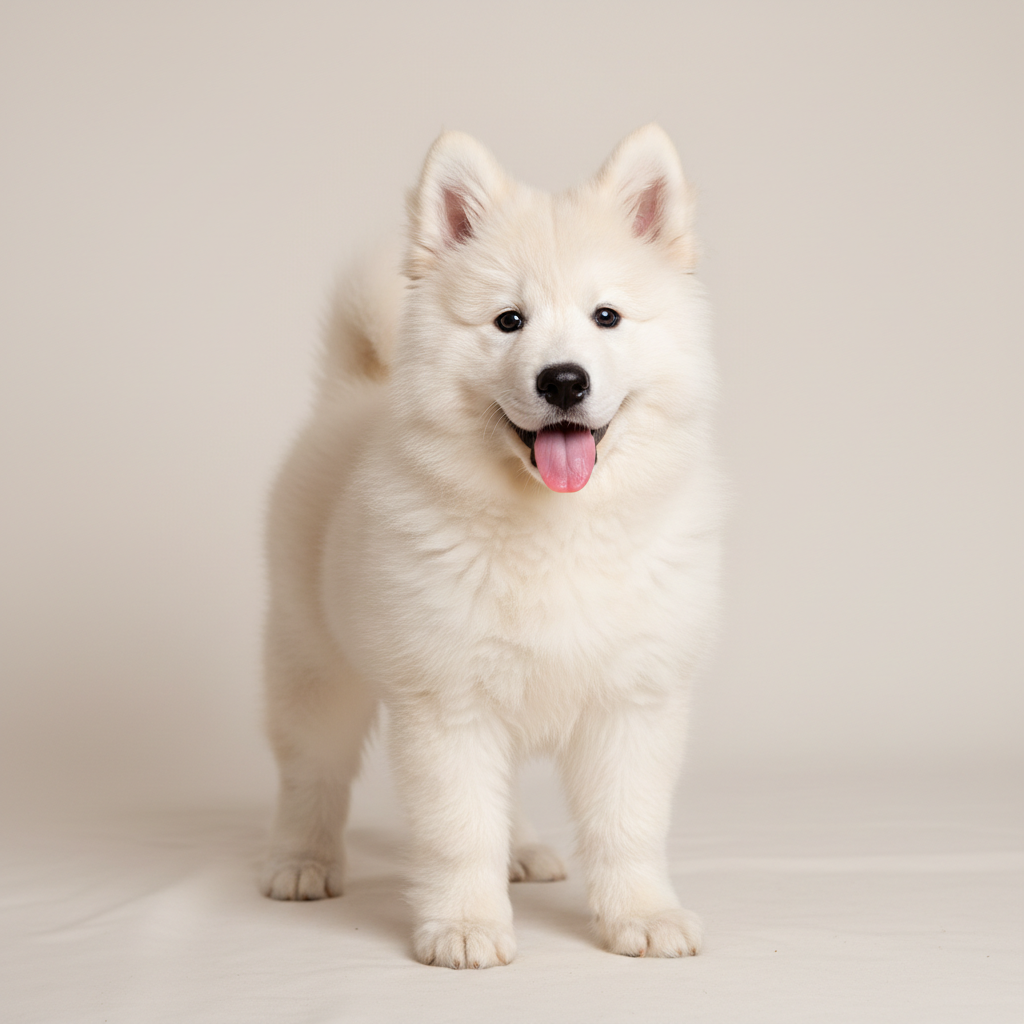
Samoyed puppy

Puppy

The period from 2 to 6 months of age, when the Samoyed has soft, baby down with a high tendency to mat, especially behind the ears. This is a crucial time for socialization with hairdryer sounds, the touch of shears, and standing on the grooming table in our salon. Puppies are volcanoes of energy, so visits must be short and interspersed with play and rewards.

Grooming: We focus on 'introductory visits' – gentle brushing, washing in mild shampoos, and teaching patience during drying.

Samoyed young dog

Young dog

The age from 6 to 18 months is the 'coat transition' period, which is often the hardest for the owner due to massive amounts of shedding down. Hormonal changes cause the undercoat to become denser and the guard hair to start hardening, often leading to painful felting right at the skin. Young Samoyeds in Marki often enter a rebellious phase, requiring a firm but calm behavioral approach from the groomer.

Grooming: Intensive brushing of dead hair every 4 weeks and using detangling conditioners is an absolute necessity.

Samoyed adult dog

Adult dog

An adult Samoyed has a fully developed, two-layered coat that provides excellent insulation against both frost and sun. At this stage, the dog usually sheds twice a year, losing vast amounts of undercoat over a few weeks, which is difficult to manage at home. Stable behavior allows for full grooming treatments, including whitening shampoos and precise contour scissoring.

Grooming: Regular de-shedding and baths using professional cosmetics dedicated to white coats to maintain the shine.

Samoyed senior dog

Senior

In older Samoyeds, the coat may become thinner, duller, or drier due to slowed metabolism and hormonal changes. Seniors often suffer from joint problems, so at Brego we adjust the work pace, providing the dog with orthopedic mats on the table and more frequent breaks. Grooming at this stage focuses on comfort and hygiene rather than just aesthetic appearance.

Grooming: Gentle brushing with soft brushes, shortening the feathers for hygiene, and focusing on moisturizing dry skin.

Popular grooming styles

Classic Natural Show Trim

This style focuses on bringing out the natural beauty of the double coat without using clippers, which is crucial for protecting the Samoyed's thermoregulation. At Brego Dog Grooming Salon, we concentrate on precisely brushing out dead undercoat and shaping 'cat feet' using curved shears. We shape the ruff and breeches to ensure a compact and elegant silhouette, avoiding drastic shortening of the guard hairs. This style requires regular visits every 6-8 weeks to prevent the white fluff from matting near the skin.

Maintenance:Challenging

Active Marki Sanitary Trim

A style created for dogs spending a lot of time in the forests near Warsaw, where burrs and mud are common. We focus on shortening the hair between the paw pads and in sanitary areas more significantly, which greatly eases daily post-walk care. The rest of the coat remains long but undergoes intensive de-shedding treatment that opens the hair structure and allows the skin to breathe. This is an ideal solution for owners who value cleanliness at home while maintaining the 'cloud' look typical of the breed.

Maintenance:Moderate

Silhouette Scissoring

A treatment involving the gentle leveling of protruding guard hair tips across the entire body using thinning shears. This allows for a perfectly oval, 'plush' silhouette without disturbing the undercoat structure, often referred to as a 'Teddy Bear' effect for double-coated breeds. We use this technique especially for individuals with a very profuse ruff who tend to look visually 'blurry'. It requires the owner to perform systematic home brushing with a slicker brush to maintain the given shape.

Maintenance:Challenging

Najczesciej zadawane pytania

Book a visit for your dog

Professional grooming tailored to your breed. Book your slot online.

Book a visit

We use cookies

We use cookies to improve your experience, analyse site traffic and show personalised ads. You can accept all cookies or manage your preferences.