Dog breeds

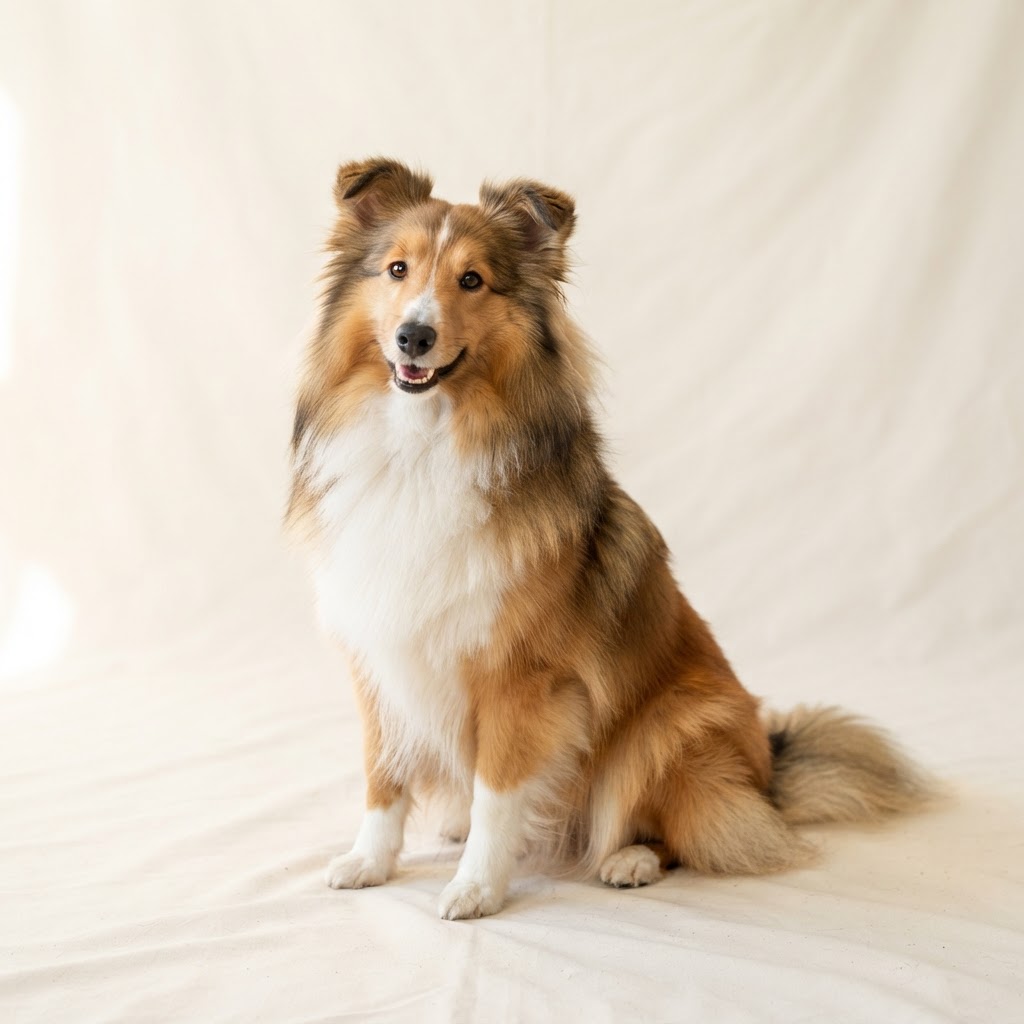
Shetland Sheepdog

The Shetland Sheepdog is a miniature virtuoso of intelligence and grace, whose beautiful coat requires a master's touch. At Brego Dog Grooming Salon, we know exactly how to care for this impressive 'mane' so it dazzles with a healthy shine on every walk.

Book a visit
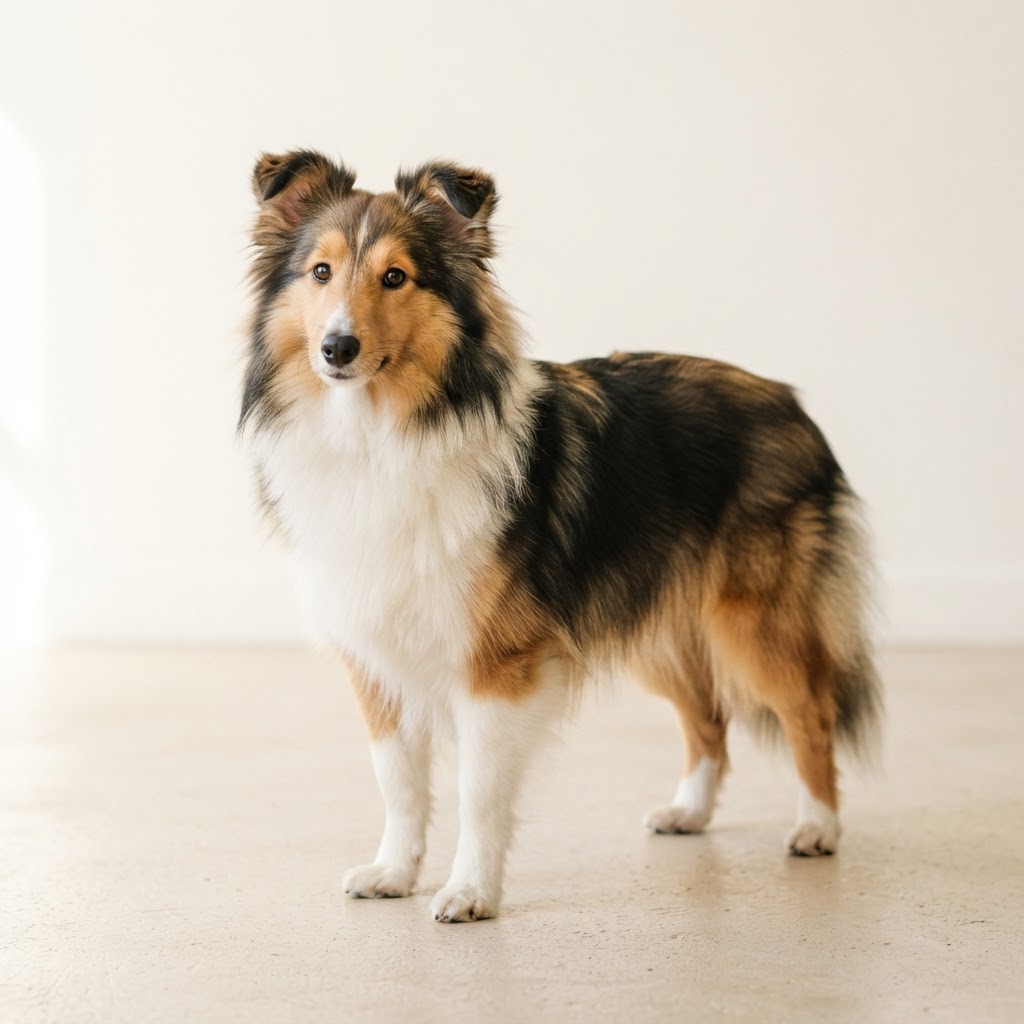
Adult Shetland Sheepdog dog

Quick Breed Facts

Size
Small
Weight
14–27 lbs (6–12 kg)
Height
13–16 inches (33–41 cm)
Life expectancy
12–15 years
Coat
Long, straight, harsh outer coat with a dense, soft undercoat forming a characteristic mane.
Shedding
High

Breed Ratings

Energy
Grooming difficulty
Trainability
Family friendly
First-time owners
Shedding
Apartment friendly
Child friendly

Professional grooming tailored to your breed. Book your slot online.

Book a visit

Personality & temperament

Shelties are volcanoes of positive energy that live to work with humans and bring them joy. Their above-average intelligence means they learn new tricks in a flash, but they can also outsmart an inconsistent owner. These are extremely loyal dogs that often act as a 'shadow', following their owner from room to room. However, it is worth remembering their talkative nature – they communicate everything through barking, from excitement to warning about the mailman. They require mental stimulation, as a bored Sheltie may start 'herding' furniture or family members. The Sheltie's temperament is a blend of sensitivity, alertness, and immense devotion to their pack. They are dogs with a 'soft' psyche, meaning they handle raised voices or a nervous atmosphere at home very poorly. In stressful situations, such as during a storm in Marki, they need calm and support rather than being scolded for their fear. Their natural herding instinct keeps them ready for action, yet they can settle down nicely after a solid walk. They are incredibly devoted to their family, treating every member with great affection. In contact with strangers, the Sheltie can be reserved and needs time to trust a new person, which is typical for the breed. At dog parks, they usually avoid conflicts, preferring games of tag over wrestling with larger dogs. They often show a tendency to herd other dogs or running children, a strong instinct that should be managed from puppyhood. Early socialization in various environments is key to ensuring their natural reserve doesn't turn into shyness. A well-guided Sheltie is a social dog, though always choosing its 'pack' over strangers. Shelties are among the most emotionally sensitive dogs, absorbing their handler's emotions like a sponge. In our grooming salon, we see that the key to their trust is gentleness and patience – harsh handling causes them to shut down completely. Building their confidence through positive reinforcement and success in training is essential to prevent them from becoming fearful of city noises. A properly stimulated Sheltie becomes a confident, proud dog that eagerly faces new challenges. However, their delicate nature requires a great deal of empathy and understanding from the owner.

Is this breed right for you?

The ideal Shetland Sheepdog owner is a patient and empathetic individual who can appreciate the breed's high sensitivity to external stimuli. At our Brego salon in Marki, we often observe that these dogs thrive best with active yet balanced people who avoid coercive training methods. The owner must accept the presence of fur in the house and view regular brushing as a bonding ritual rather than a chore. This is a dog for someone looking for a loyal companion ready to follow their guardian step-by-step all day long. A willingness to work regularly on calming the dog is also required, as Shelties can be overly reactive. This breed is perfectly suited for families with older children who can respect a pet's space and won't stress them with sudden movements. Shelties excel in dog sports like agility, frisbee, or nosework, making them ideal for active hobbyists. They are dogs that can successfully live in an apartment as long as they are provided with an appropriate dose of exercise and, above all, mental stimulation. They get along well with other dogs and cats, making them great candidates for multi-pet households. They are also wonderful companions for remote workers who will appreciate their quiet presence by the desk.

Who may struggle with this breed

A Sheltie won't be a good choice for people who value absolute silence, as this breed has a natural tendency to bark loudly and frequently at everything happening outside the door. They won't thrive with owners working 10-12 hours a day away from home, as isolation quickly leads to separation anxiety and destruction. Those looking for an 'independent' dog who requires no constant attention or training will be disappointed by their high need for contact. We also don't recommend them for homes with very small, chaotic children who might accidentally frighten this delicate dog. Owners who lack the time for weekly two-hour brushing sessions should choose a breed with a less demanding coat.

Grooming

A salon visit every 6–8 weeks is the absolute minimum to keep the coat in top condition. Between professional appointments, thorough brushing once or twice a week is essential. During shedding seasons, the frequency of home grooming should increase, even to daily sessions. Consistency prevents the formation of painful mats close to the skin. The schedule includes a bath with double shampooing and a heavy conditioner to aid detangling. A crucial step is the blow-out, using a professional high-velocity dryer to remove dead undercoat. This is followed by precise brushing and deshedding to clear out loose hair. We finish the session with hygienic trimming of the paws and sanitary areas. The Sheltie style focuses on highlighting the natural, elegant silhouette without radically shortening the length. We only trim excess hair on the feet to create cat feet and tidy up the trousers and feathering on the legs. We never clip a Shetland Sheepdog short with a machine, as it ruins their thermoregulation and coat structure. We also carefully shape the hair behind the ears to give the head its noble and alert appearance. The biggest challenge is matting in the soft hair behind the ears and in the groin area. We frequently encounter felted undercoat at the base of the tail, which restricts air circulation to the skin. In our Marki salon, we often see burrs and twigs caught in the coat; if not removed immediately, they become the core of a massive mat. An improper diet quickly reflects in the dullness and brittleness of this specific, dense coat. At home, a slicker brush and a long-toothed metal comb are essential for checking the depth of your brushing. Always brush the dog in sections, layer by layer, preferably using a detangling spray to avoid breaking dry hair. Pay special attention to the mane and the trousers, where the coat is densest and neglect is most common. Never brush dry without a proper moisturizing spray to protect the hair structure. A Sheltie puppy should be desensitized to paw handling and the sound of a dryer as early as 8–10 weeks of age. Initial visits to Brego Dog Grooming should be short and focused on positive associations, known as socialization sessions. We teach the youngster to stand calmly on the table and accept the comb around sensitive facial areas and behind the ears. Early grooming socialization saves both the dog and the owner from stress later in life when the coat becomes very demanding.
Lifestyle requirements

A Sheltie needs constant proximity to humans, so it is absolutely not suitable for living in a kennel or outdoors without house access. They require a stable daily routine, as sudden changes can cause anxiety manifested by, for example, compulsive circling. The owner must invest in professional cosmetics, as the dense undercoat tends to mat instantly, especially in high-friction areas. It is also worth preparing for regular visits to the groomer for professional removal of dead hair and ear hygiene. This dog feels best in an environment where it can participate in the daily life of the family. Despite their small size, Shelties are herding dogs with high endurance that need more than just a short walk around the block. The daily dose of movement should include the opportunity to run freely in a safe area and active interactive play. In our experience in Marki, we see that a lack of exercise often results in them 'herding' cars or runners, which is extremely dangerous behavior. Regular obedience training during walks will help burn off excess energy and calm the dog down. A good solution is to combine physical movement with olfactory tasks, which quickly tire this smart dog. The Sheltie's intelligence is legendary, meaning that without appropriate challenges, the dog will find its own occupation—usually by destroying shoes or stealing food. We recommend using snuffle mats, Kong toys, and teaching new commands, which these dogs absorb instantly. Short, 10-minute training sessions several times a day are more effective for them than a multi-hour march. It is also worth introducing games of searching for family members or hidden objects, which stimulates their instinct in a controlled manner. A dog that is not intellectually stimulated often becomes excessively barky and frustrated.

Guide for new puppy owners

When preparing the home for a Sheltie puppy, secure all cables and remove poisonous plants, as they are exceptionally inquisitive little ones. From day one, get the puppy used to their paws being touched, teeth cleaned, and the presence of a brush to avoid stress during future groomer visits. It is worth getting non-slip mats for slippery floors to protect the delicate joints of a growing dog. Buy a crate to serve as a safe haven and help with learning to settle and house training. You should also find a good dog school that offers puppy classes based on positive methods. In the first month, prepare for a lot of vocalization—a Sheltie puppy informs you of every discomfort. A tendency to nip at family members' ankles may appear, which is an attempt to herd the 'flock' and requires patient redirection to toys. Puppies of this breed can be shy, so building trust by calmly supporting them in new situations is key. Expect frequent night wake-ups for house training, as these small dogs have a fast metabolism. This is the time to establish the strongest bond, which will make the dog look up to you intently in the future.

New owner checklist

  • Crate with a soft mattress
  • Stair safety gate
  • Educational toys like Kongs and snuffle mats
  • Light training lead (5m long line)
  • Collar and guard-type harness
  • Engraved ID tag
  • High-quality food for small breed puppies

Required supplies

  • Slicker brush with soft pins
  • Metal comb with two tooth spacings
  • Detangling spray conditioner (antistatic)
  • Eye and ear cleaning solution
  • Nail clippers with a safety guard
  • Moisturizing shampoo for dogs with dense undercoat
  • Tooth brushing kit (toothbrush and paste)

Common owner mistakes

The biggest mistake we fight at Brego Dog Grooming is shaving a Sheltie with clippers in the summer. Doing so permanently destroys the coat structure, strips the dog of insulation against heat, and exposes them to sunburn. Another mistake is a lack of early socialization with city sounds, resulting in a fearful dog that is afraid of every noise. Many people forget to brush 'down to the skin', only smoothing the top of the fur, which leads to painful mats forming near the skin. It is also a mistake to harshly scold for barking without understanding the cause—Shelties communicate with their voice and require learning a 'quiet' signal rather than being shouted at.

Life stages of the breed

Shetland Sheepdog puppy

Puppy

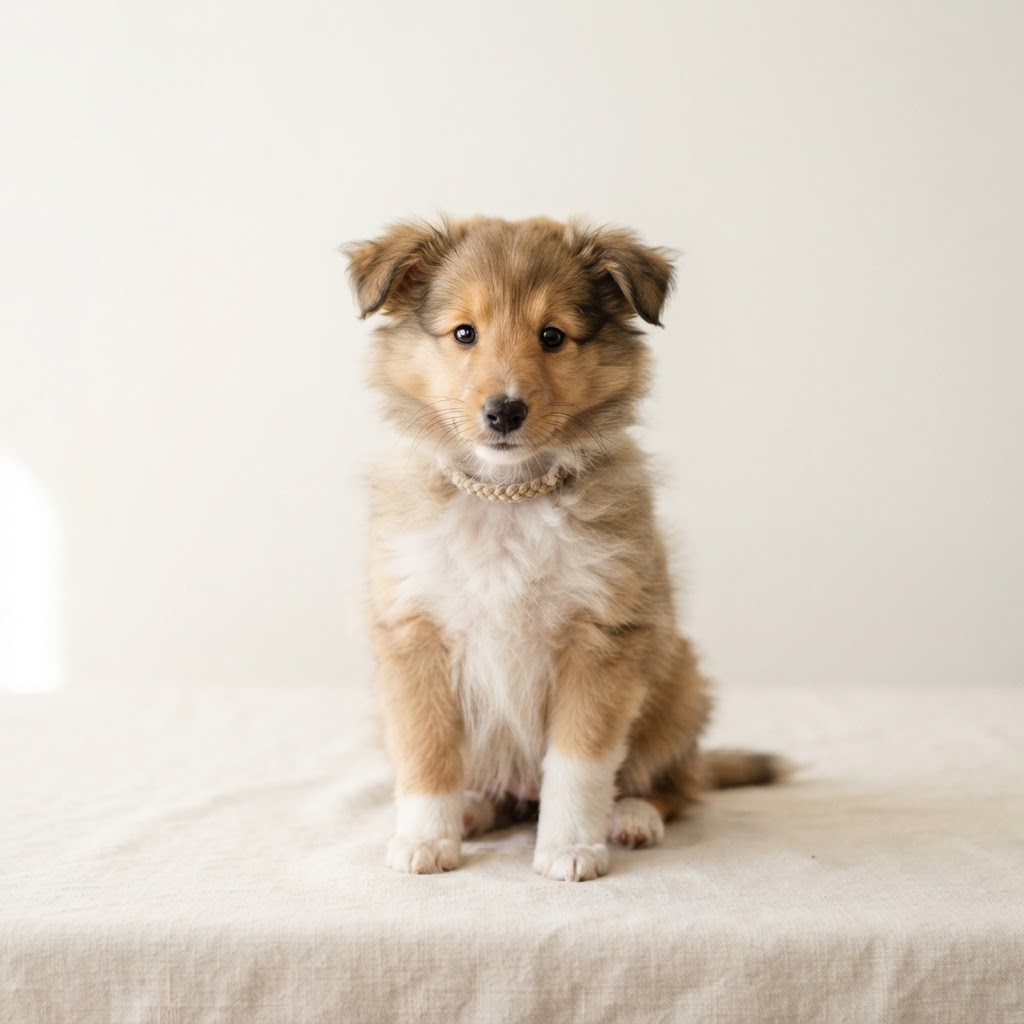
A Shetland Sheepdog puppy has soft, almost downy hair that requires early socialization with the groomer's touch. At Brego salon, we emphasize building positive associations because Shelties can be naturally distrustful of strangers. This is the time when the dog learns that the grooming table is a safe place and the sound of the clipper is not a threat. Proper introduction at this stage results in a calm dog during adult visits.

Grooming: Puppy grooming mainly involves gentle brushing with a soft slicker brush and learning eye and ear hygiene. We do not perform full clipping, focusing instead on short sessions that do not overexert the young body. It is crucial to accustom the dog to bathing, gentle towel drying, and a quiet hair dryer.

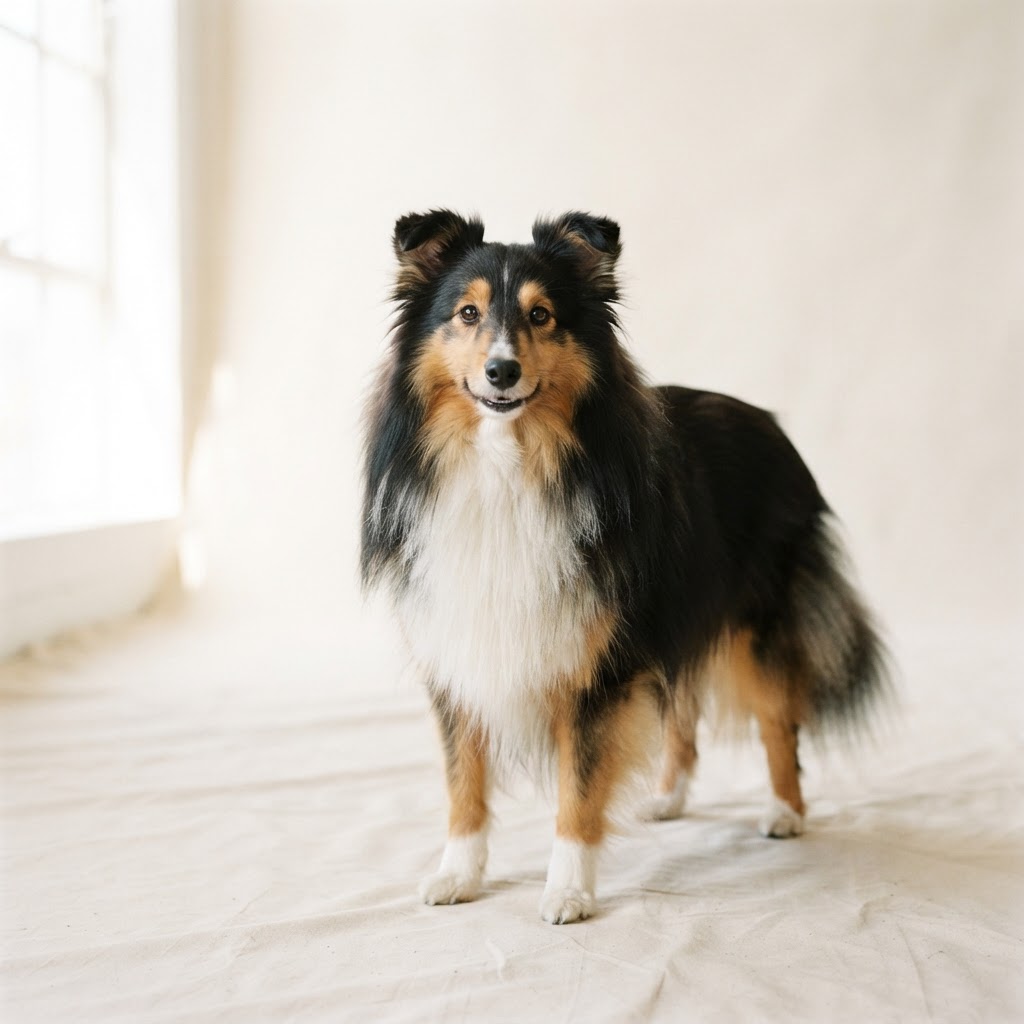
Shetland Sheepdog young dog

Young dog

During adolescence, between 6 and 18 months of age, the Sheltie's coat undergoes a spectacular metamorphosis involving a rapid hair exchange. During this time, these dogs can be very active and reactive, which we often observe in Marki during their first contouring visits. Owners often feel overwhelmed by the amount of shedding undercoat that gets 'stuck' in the growing adult guard hair. This is a critical moment for skin condition, as it can become irritated under the lingering dead hair.

Grooming: Increased visit frequency is required to prevent the juvenile fur from matting, as it is exceptionally prone to tangling. We use detangling conditioners and teach the dog patience during longer sessions of separating hair layers. We also begin to gently model the line of the paws and ears, giving the dog an adult appearance.

Shetland Sheepdog adult dog

Adult dog

An adult Sheltie has a fully developed, double-layered coat with an impressive ruff that is the breed's hallmark. The dog is usually emotionally stable by now, allowing us at Brego to perform a full, multi-hour SPA ritual. Its fur acts as a thermal insulator, so under no circumstances should it be shaved to the skin with a clipper. Adult dogs at this age look best in a regularly refreshed show or contour style.

Grooming: Grooming is based on systematic removal of the dead undercoat and caring for the condition of the guard hair through professional hydration. We focus on details: ear hygiene, nail trimming, and precise silhouette finishing with thinning shears. Regularity every 6-8 weeks allows the coat to stay in ideal condition without the need for drastic cuts.

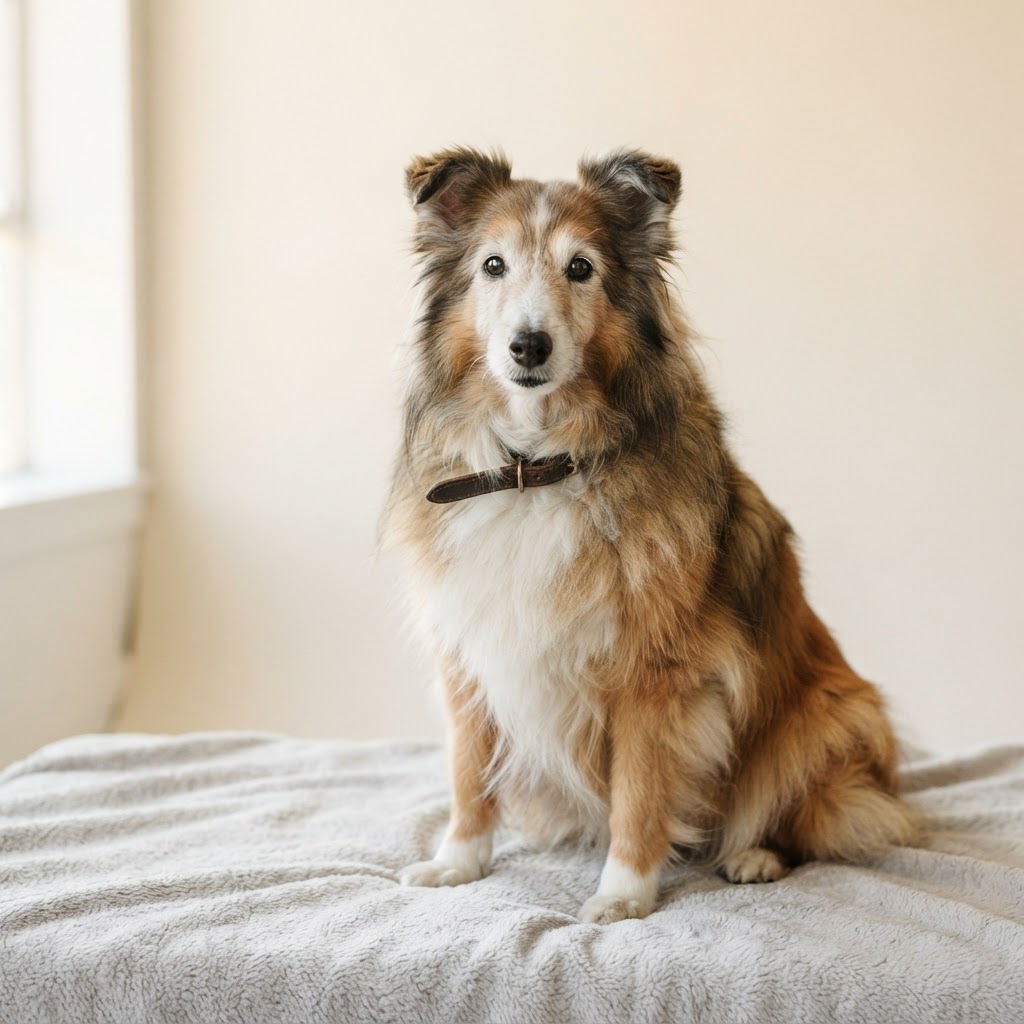
Shetland Sheepdog senior dog

Senior

Shetland Sheepdog seniors often struggle with joint stiffness and problems with long standing, which requires a change in our approach. Their coat may become drier, more brittle, or thinner with age, which is a natural aging process. At Brego, the priority for an older dog is its mental and physical comfort, not a perfect catalog look. We often work in pairs so one groomer can support the dog, minimizing its effort during the procedure.

Grooming: We use shorter grooming sessions and more often choose 'comfort cut' hairstyles that make it easier to maintain cleanliness with the dog's limited movements. We use specialized shampoos for seniors with soothing and strongly skin-regenerating properties. We ensure the claws are always trimmed short, which helps the older dog move stably on the floor.

Popular grooming styles

Classic Show Grooming (Standard)

At Brego, we focus on emphasizing the natural, elegant silhouette of the Sheltie by precisely leveling the ruff and breeches using professional thinning shears. We do not drastically shorten the hair on the body, focusing instead on removing dead undercoat, which allows the skin to breathe and prevents overheating. The look is completed by rounding the feet into the so-called cat-like paw and gently trimming the tips of the ears to give the dog the keen expression typical of the breed. This style requires great precision to ensure the transitions between hair layers are completely invisible.

Maintenance:Challenging

Pet Trim - Sanitary Variant

This is a practical solution for active dogs running through the forests near Warsaw, where burrs and branches easily get caught in the fur. We focus on shorter trimming of the belly fringes and the breech area, which significantly facilitates daily care after walks on rainy days. The rest of the coat is tidied up but retains its volume and protective function, which is crucial for dogs of this breed. Owners choosing this style at our salon value the time saved during home brushing without giving up the Sheltie aesthetics.

Maintenance:Moderate

Intensive De-shedding Treatment

This is not so much a cutting style as an advanced grooming technique that we recommend for every Sheltie twice a year during the shedding period. The process involves a multi-stage bath using shampoos that open the hair cuticle and intensive blowing out of the undercoat with professional high-power dryers. Thanks to this, we minimize the risk of painful mats behind the ears and under the armpits, which are a nightmare for owners of this breed. The result is a shiny, light coat that doesn't shed on home carpets while maintaining its natural, fluffy appearance.

Maintenance:Moderate

Najczesciej zadawane pytania

Book a visit for your dog

Professional grooming tailored to your breed. Book your slot online.

Book a visit

We use cookies

We use cookies to improve your experience, analyse site traffic and show personalised ads. You can accept all cookies or manage your preferences.