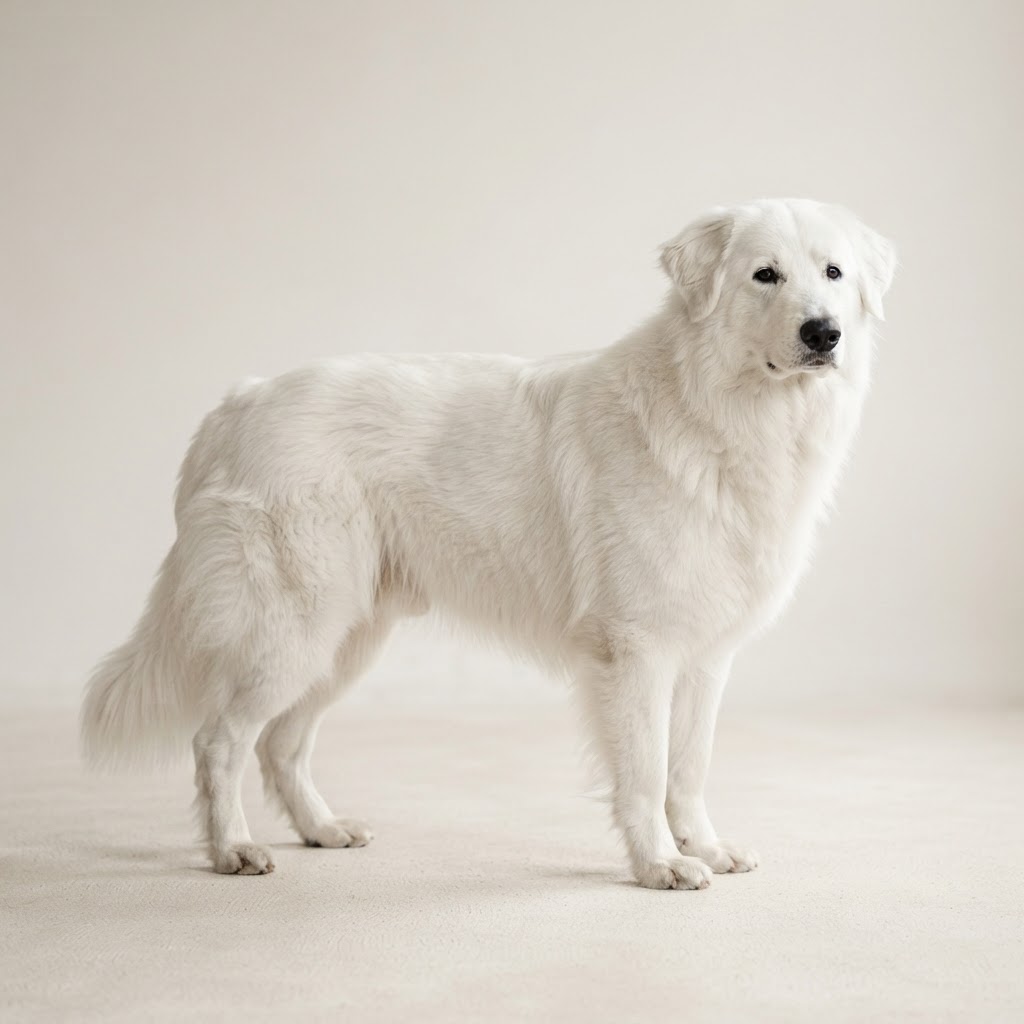
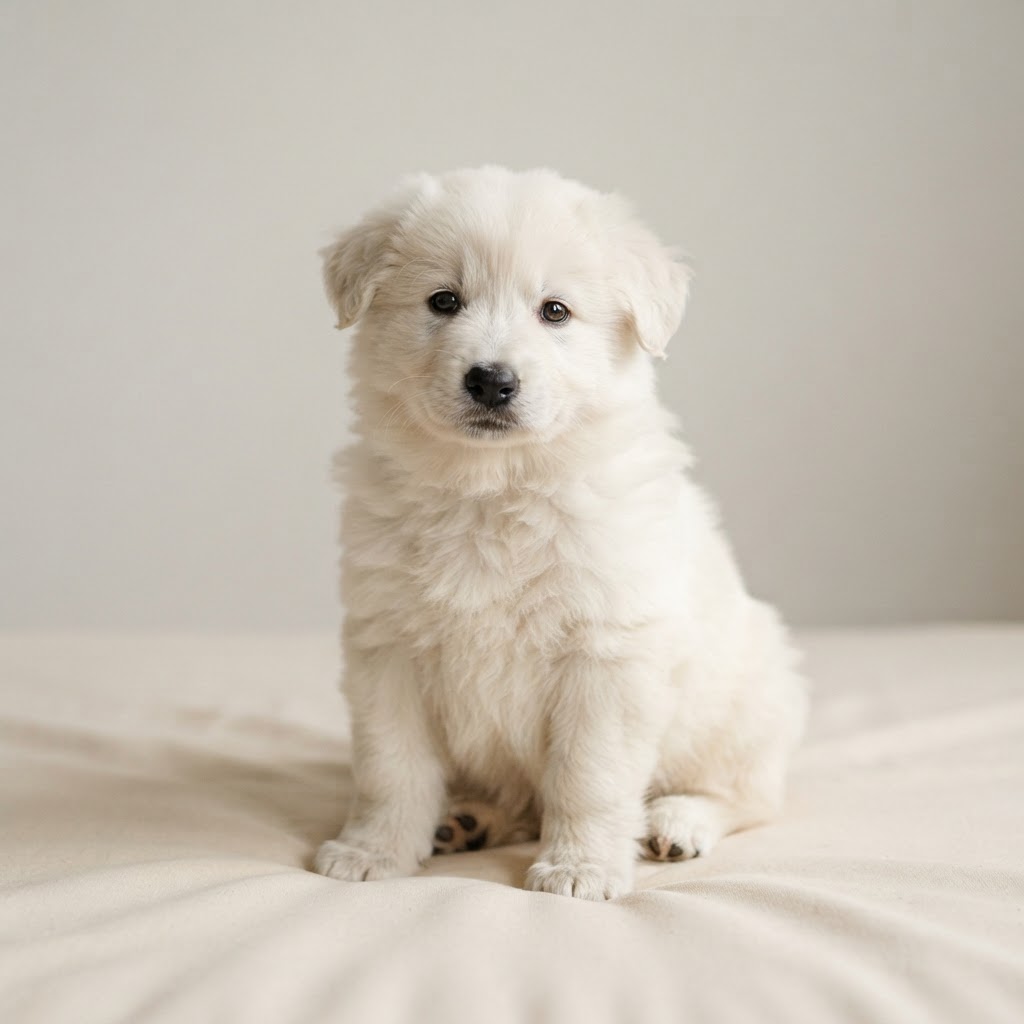
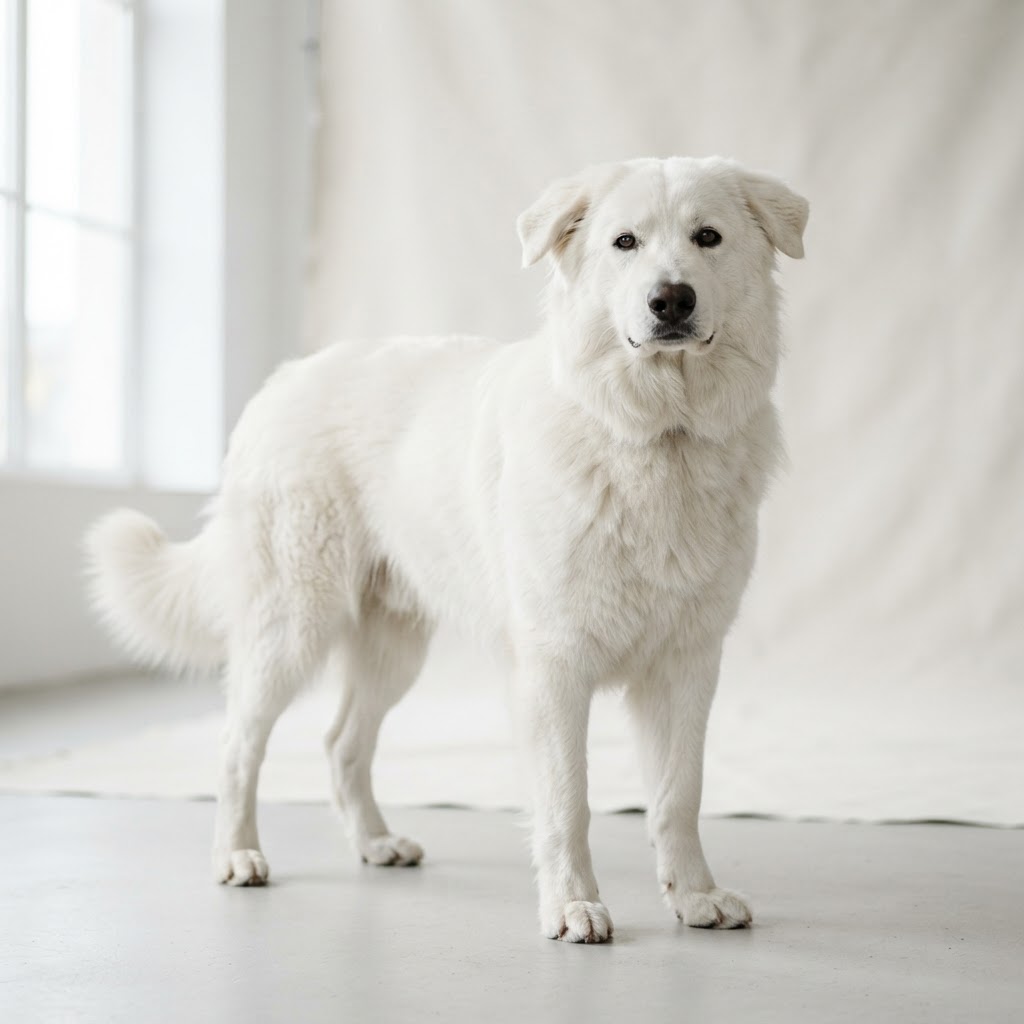
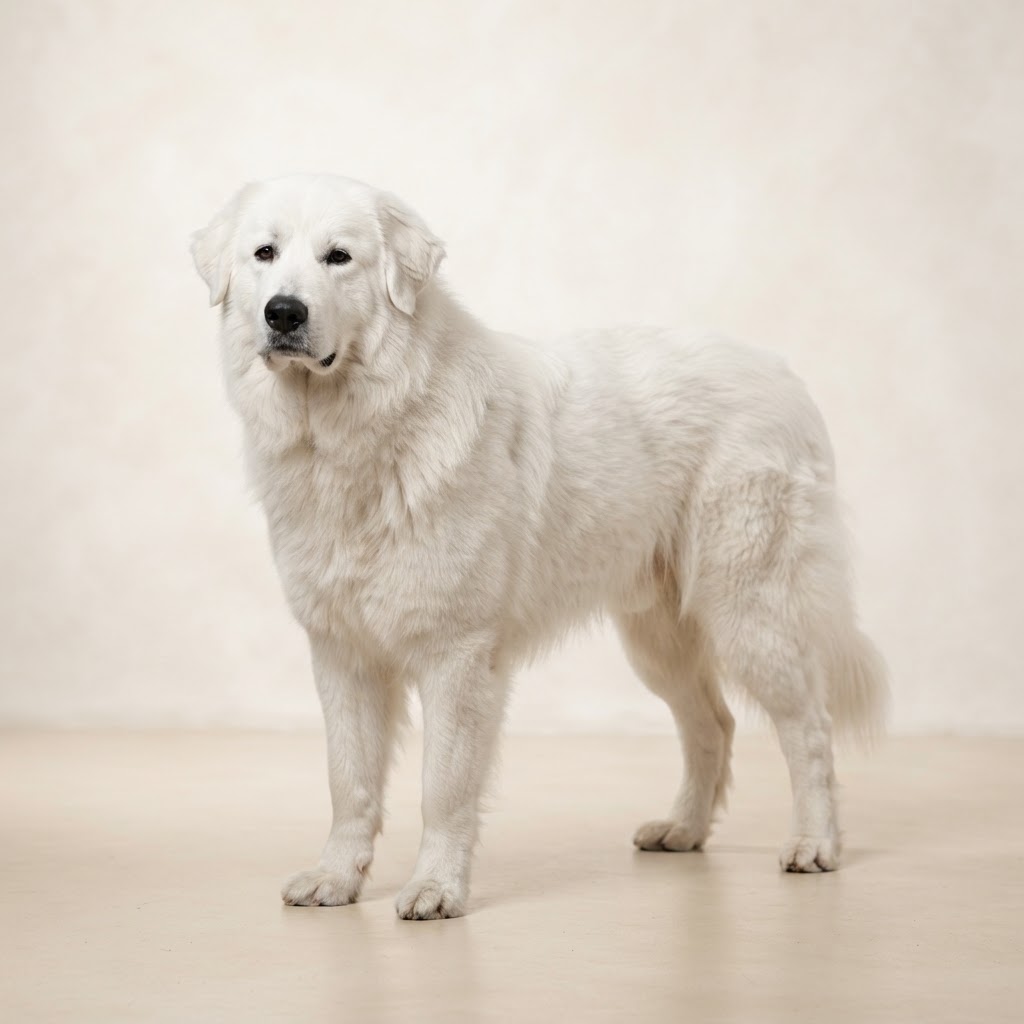
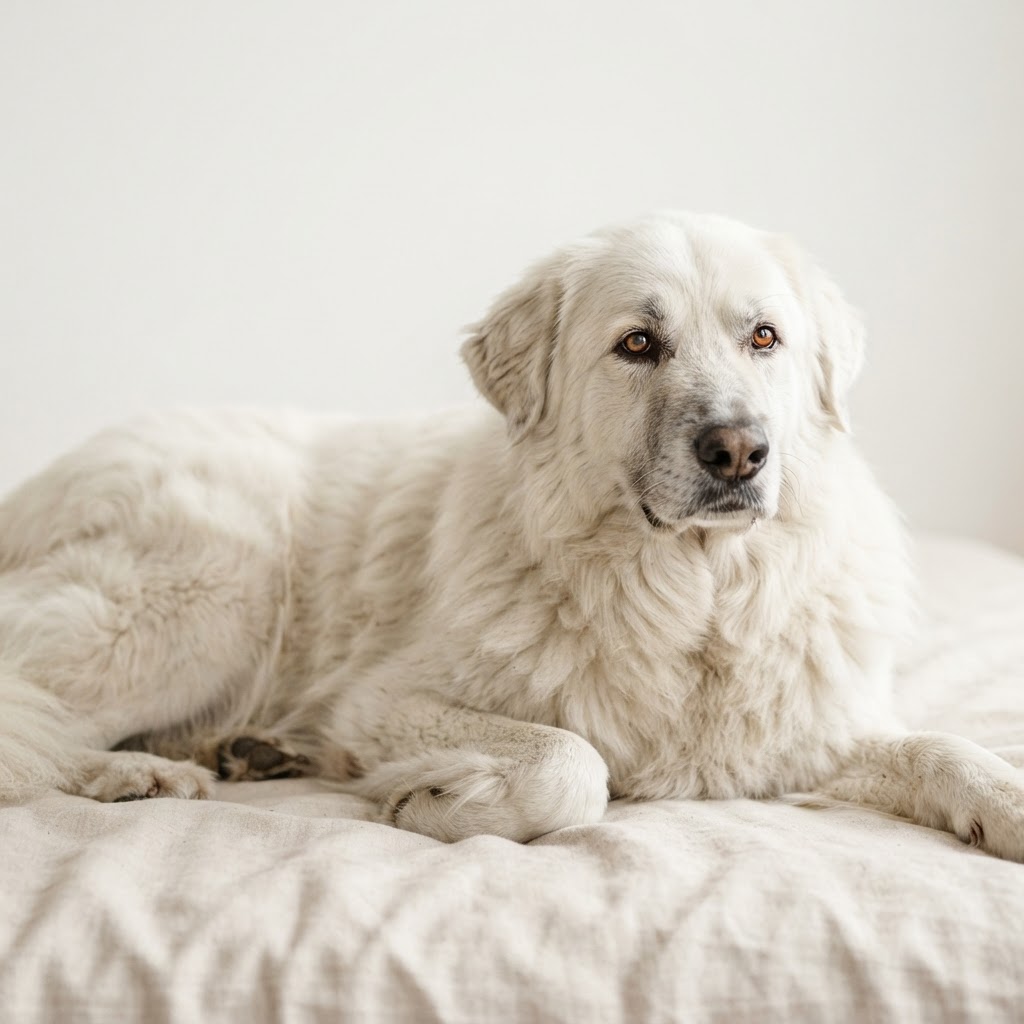
Due to the massive amount of undercoat, the dog should be thoroughly brushed at least twice a week. During shedding seasons in spring and autumn, this process should occur daily to prevent dead hair from compacting into
mats close to the skin. In our salon, we recommend using long-pinned slicker brushes and rakes with rotating teeth that can penetrate the dense structure of the fur. A lack of regularity leads to the loss of the coat's insulating properties and can cause painful skin pulling due to matting. Consistency is the only way to keep the white fur impeccably clean.
A professional salon visit should take place every 8 to 12 weeks, depending on the dog's lifestyle and walk intensity. A full package includes a
bath using powerful blowers that mechanically remove loose undercoat from the deepest layers of the fur. Regularity prevents painful hot spots under mats, which frequently form around the tail and 'trousers' in dogs that rarely visit the groomer. A well-planned schedule allows us to continuously monitor nail condition and the cleanliness of the ear canals. Regular visits also help the dog get used to long procedures, which reduces its stress.
A Podhale Shepherd should never be clipped short with a machine, as this destroys the hair's thermoregulatory structure and leads to skin problems. Styling is limited to precise thinning of the 'feathers' on the legs, the 'trousers,' and hygienic shaving of the paw pads. The main goal is to give the dog a neat, clean appearance while maintaining its natural, majestic breed silhouette. We use scissors to shape the feet, which prevents the dog from bringing mud and sand into the home. Correct
grooming highlights the power of the physique without changing the original character of the mountain sheepdog.
The greatest challenge is the matting that forms behind the
ears and on the inner thighs, which can become as hard as stone and requires patient detangling. Another common issue is the yellowing of the white coat around the muzzle from food and on the paws, requiring the use of specialized enzymatic shampoos. We must also be wary of acute moist dermatitis (hot spots), which develop rapidly in this breed if the dog is not dried thoroughly down to the skin. In working dogs, embedded grass seeds and burrs are problematic and, if neglected, lead to painful inflammations. Managing such a volume of hair requires time and proper drying techniques.
The owner should focus on systematically removing dead undercoat using a metal comb with long, wide-spaced teeth. It is vital to check the skin for ticks, which are almost invisible in such dense, white fur until they grow significantly. After every walk in the woods or meadows around Marki, it is worth checking the paws and removing burrs before they get tangled deep into the woolly structure of the coat. We also recommend regular cleaning of the eye area and monitoring the ear canals, where dense hair can restrict ventilation. Home grooming is not just about aesthetics, but primarily about building a bond and caring for the dog's physical health.
Puppies must be desensitized to the sound of the dryer, bathing, and the touch of tools starting from 3 months of age, before they reach their full, difficult-to-handle adult size. Cooperative care training is key – the Podhale is an independent and proud dog, so it must trust the groomer to allow manipulation of paws or the tail. At Brego Dog Grooming Salon, we emphasize short, positive introductory sessions that end with a reward and build a foundation for future visits. Early habituation to
brushing the belly and armpits prevents trauma in adulthood when the dog already weighs 60 kg. We teach owners how to reward the dog's calmness on the table, which is an investment in a comfortable life for both parties.