A professional salon visit should occur every 6-8 weeks to maintain the coat in optimal condition. In the meantime, the owner must dedicate at least 15-20 minutes every other day to thorough
brushing. A lack of consistency results in felting, which is impossible to brush out without causing pain to the dog and often leads to the necessity of a short clip.
The schedule begins with a
bath using professional hydrating shampoos, followed by tedious drying while simultaneously straightening the hair. Next, we perform clipping and scissor work, focusing on the hygiene of the private areas and paws. Finally, we handle
ear cleaning and
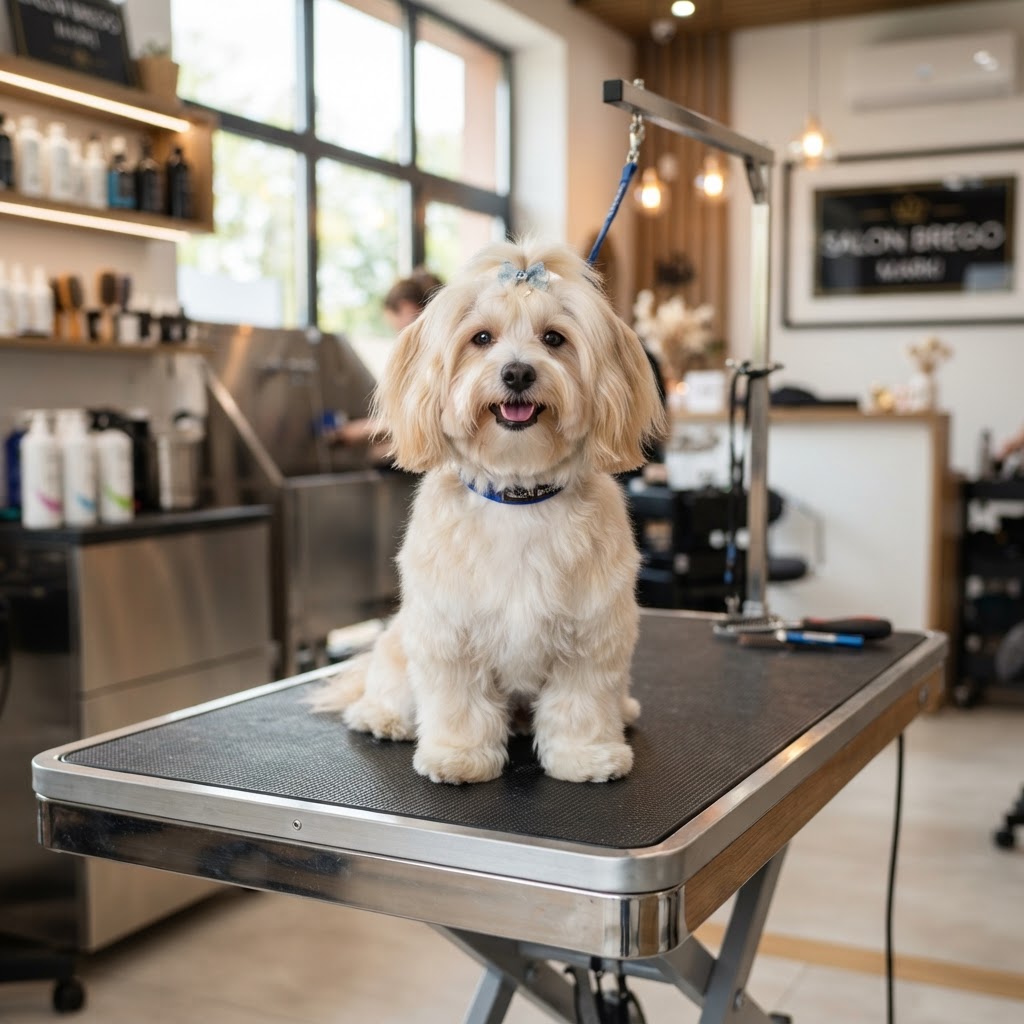
nail trimming, which requires proper stabilization on the table given the dog's large size.
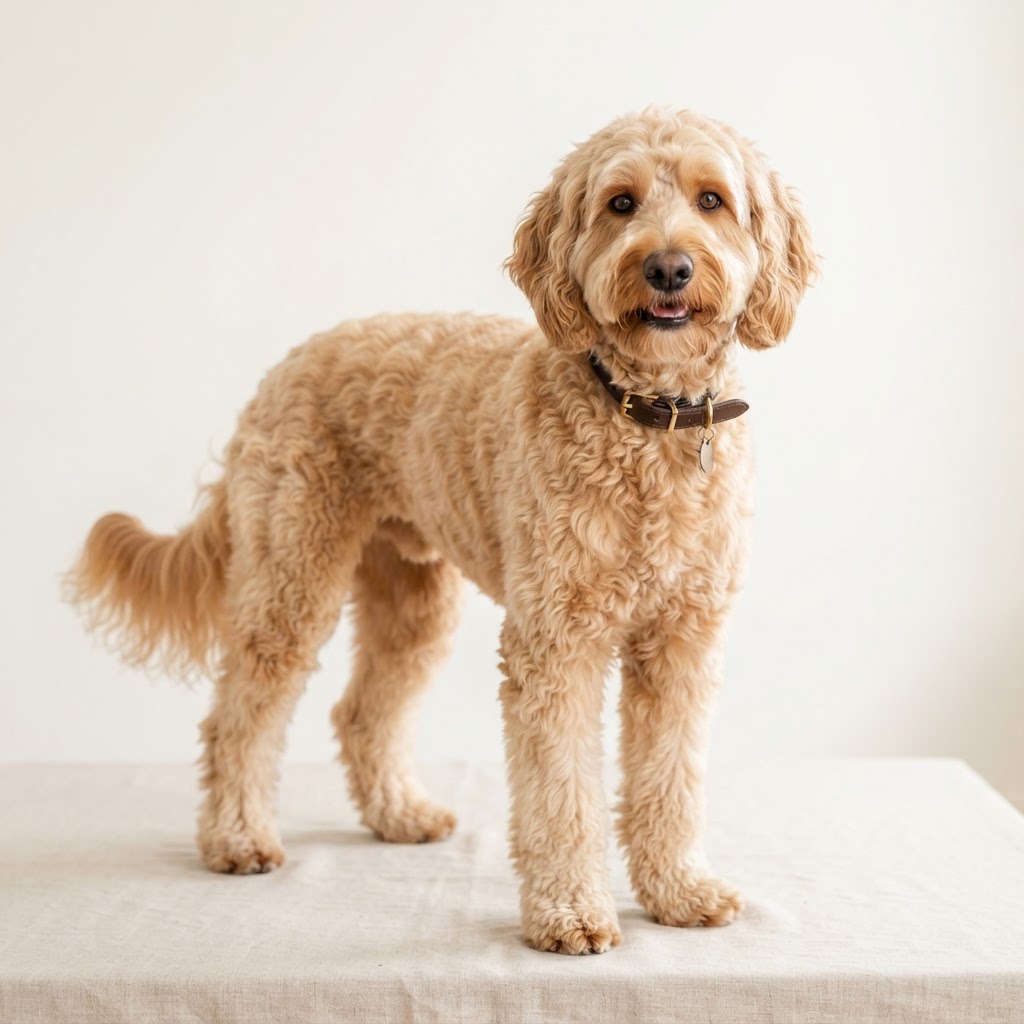
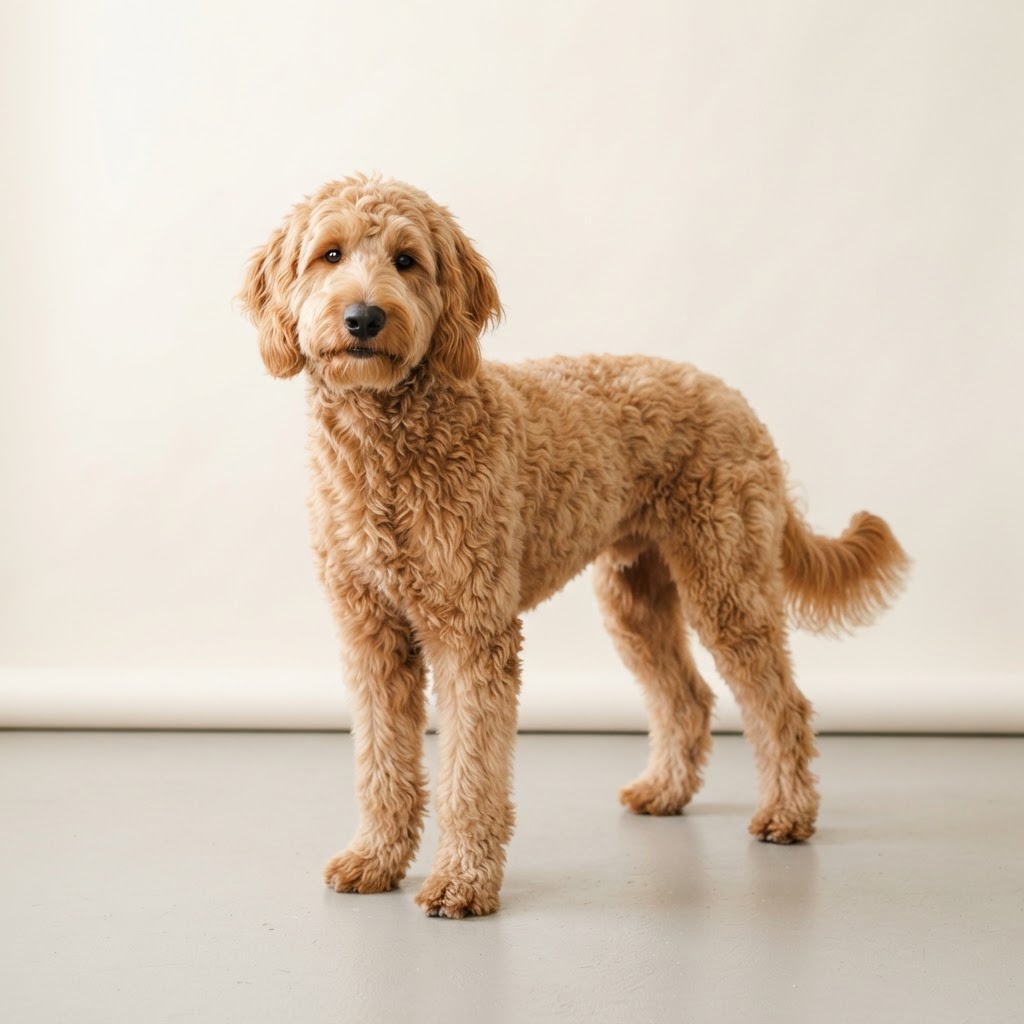
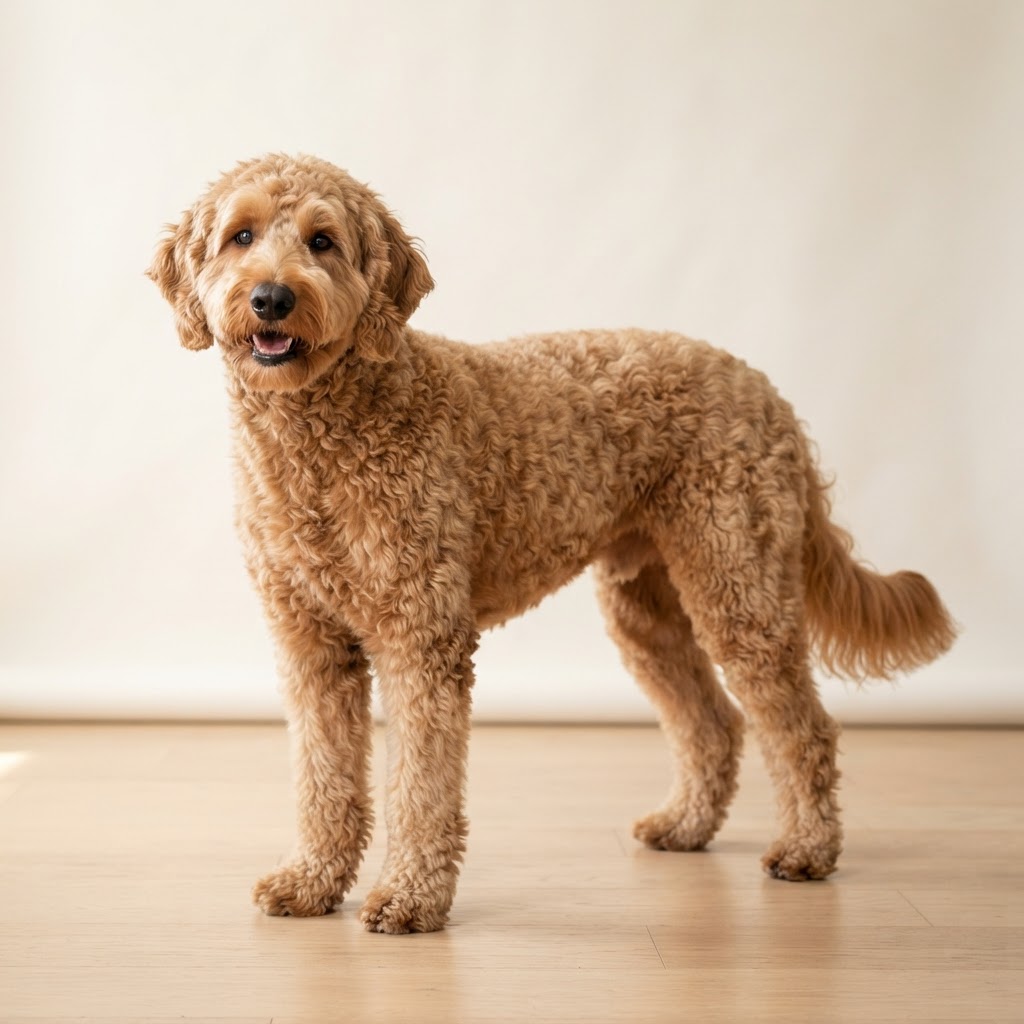
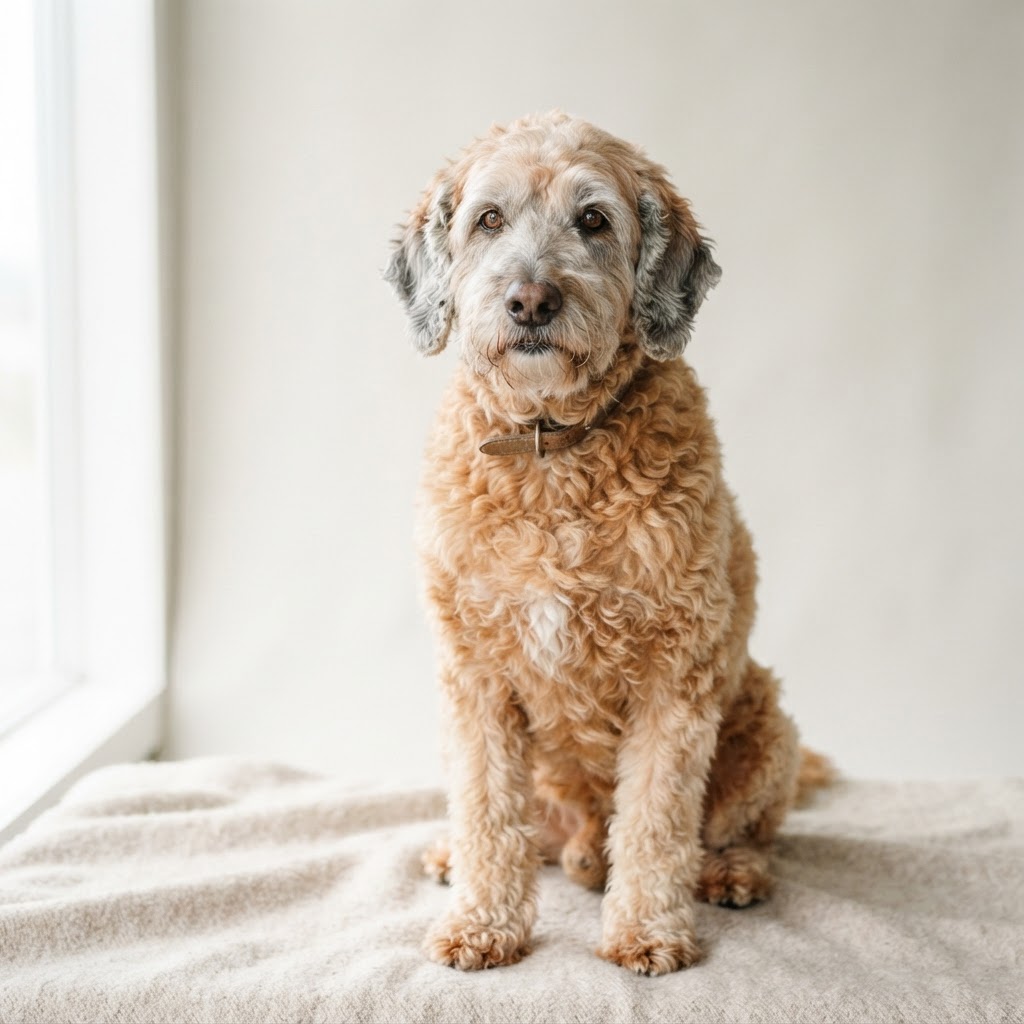
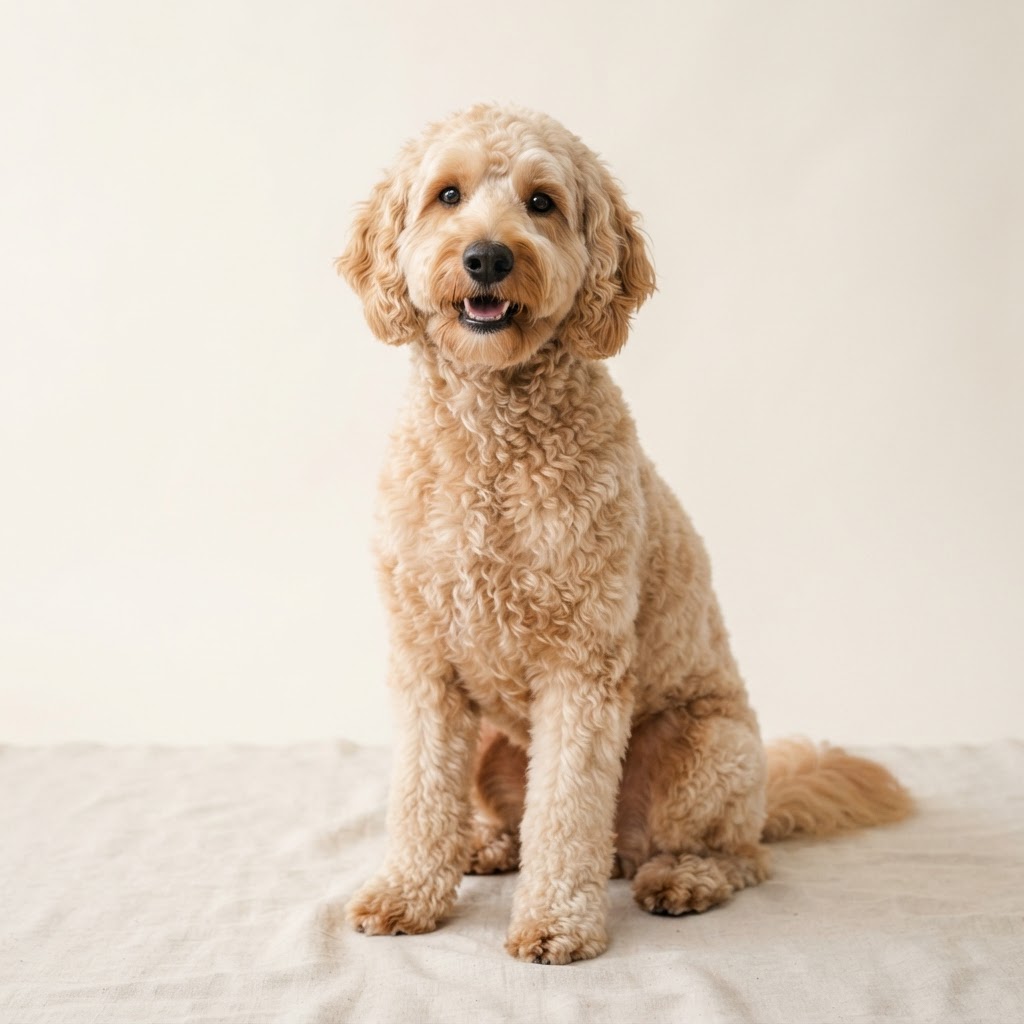
The most popular style at our salon in Marki is the 'Teddy Bear' cut, which gives the dog a plush toy appearance with a rounded head. We can also offer a 'lion' cut or a more athletic, shorter trim to make life easier for active dogs spending time in the woods. The key is to maintain the characteristic 'curtains' over the eyes without obstructing the dog's vision.
The biggest challenge is
matting that occurs close to the skin, especially in high-friction areas like armpits or around the collar. Labradoodles tend to grow thick hair inside their ear canals, which leads to painful infections without regular hygiene. We also frequently see 'beards' soaked with moisture that can become a breeding ground for bacteria and unpleasant odors if not dried properly.
At home, a slicker brush and a metal comb with long teeth are essential for checking for any mats. We recommend using leave-in spray conditioners to facilitate brushing, which minimizes pulling out healthy hair and dog discomfort. It is crucial never to brush a Labradoodle 'dry,' as this causes frizzing and damages the unique structure of their coat.
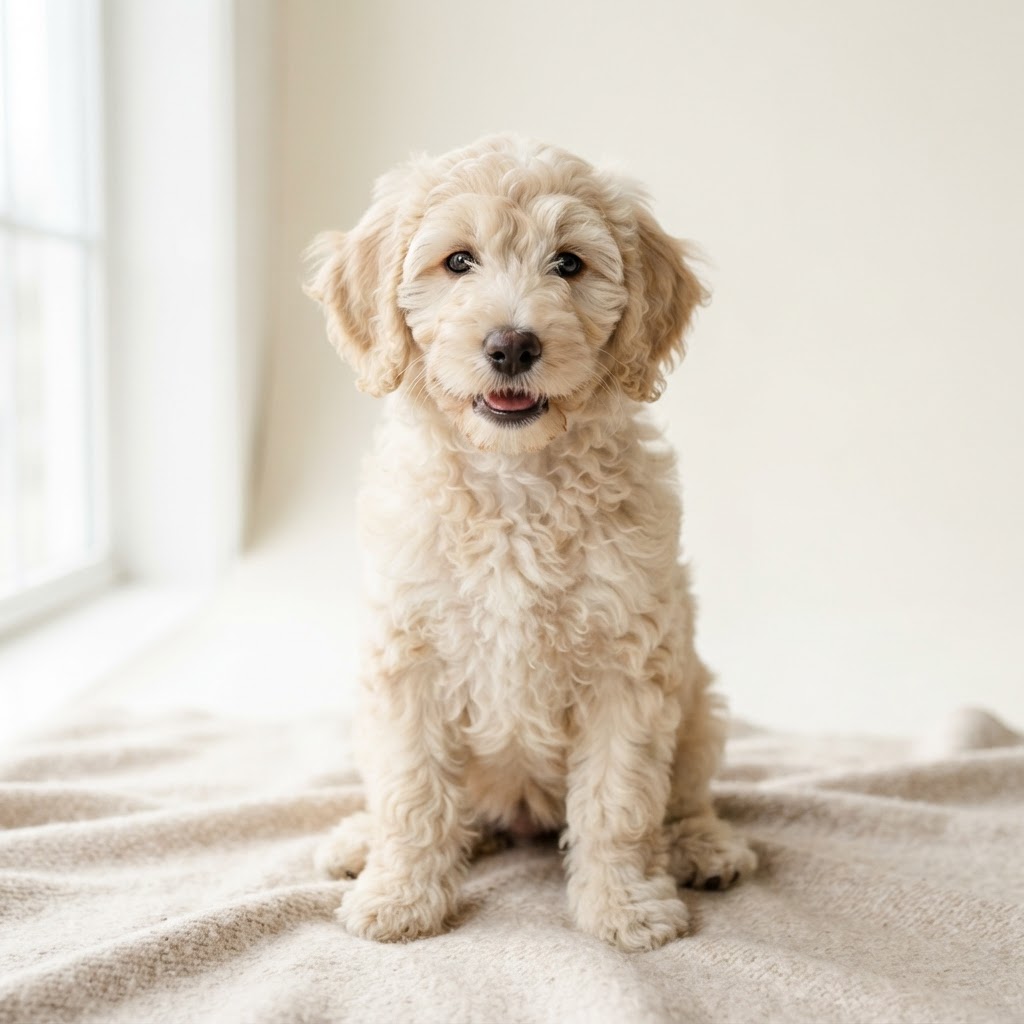
A puppy should be desensitized to paw handling and the sound of clippers as early as 10-12 weeks during social visits to our salon. We teach youngsters to stand calmly on the table and accept the dryer using positive reinforcement and treats. The first trim should be gentle, focusing on clearing the eyes and hygiene, to build positive associations with the groomer.