Dog breeds

Nowofundland

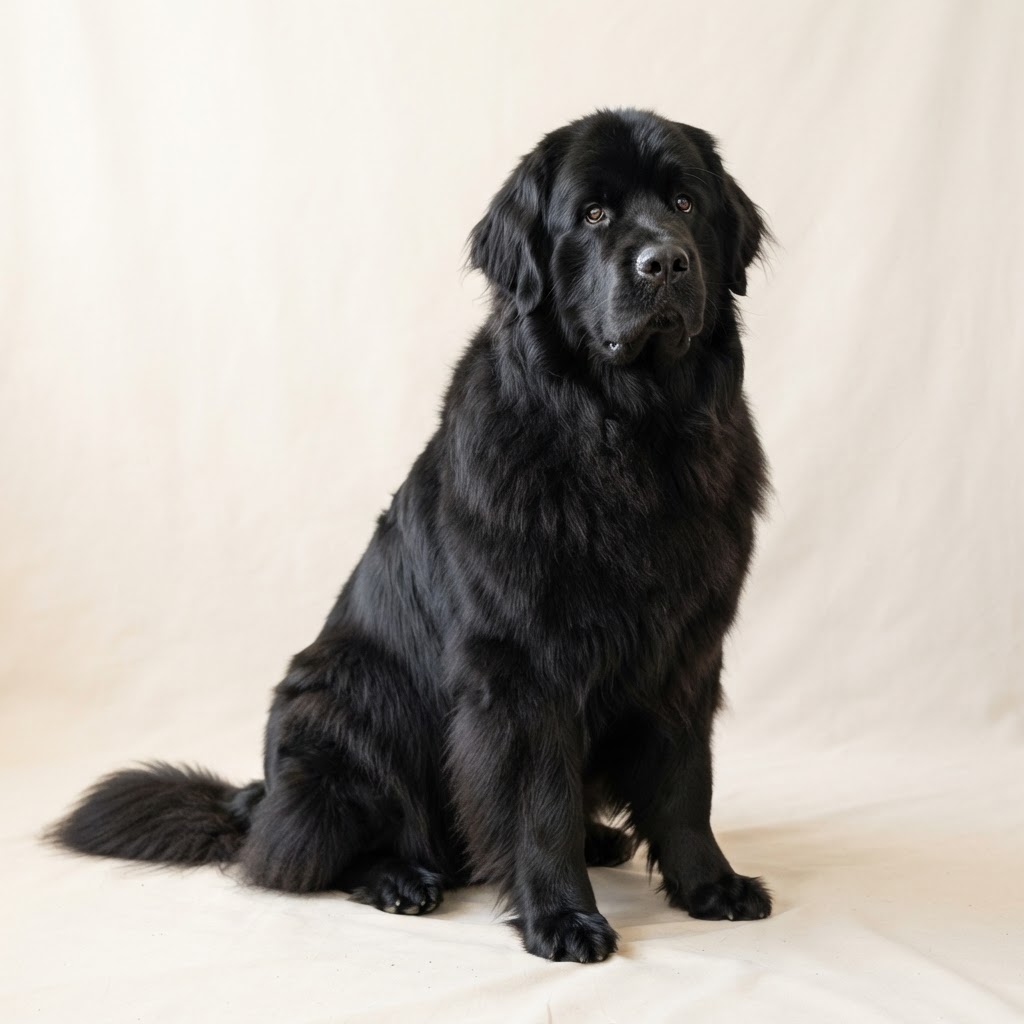
The Newfoundland, known as a gentle giant, is the embodiment of canine kindness and rescue instinct. In our grooming salon in Marki, we often host these powerful dogs who hide a heart of gold under a thick coat.

Book a visit
Adult Nowofundland dog

Quick Breed Facts

Size
Giant
Weight
Newfoundlands are massive dogs, with males typically weighing between 60-70 kg, while females weigh around 45-55 kg. Due to this significant weight, it is crucial to protect their joints from puppyhood through proper supplementation and controlled physical activity. At our Brego salon, we notice that obesity in this breed drastically reduces their quality of life, so we always emphasize the importance of a proper diet to owners. Proper skeletal development is vital for the long and healthy life of this giant.
Height
The standard height at the withers for males is about 71 cm, while for females it is around 66 cm, although we often encounter slightly taller individuals. Their imposing stature requires the groomer to use specialized, heavy-duty equipment, as working with such a large animal is a significant physical challenge. At Brego Dog Grooming, we prioritize patience and professional hydraulic tables to ensure the safety of a dog of this size. Remember that every extra centimeter in height also means more surface area of skin that requires diligent care.
Life expectancy
The average lifespan of a Newfoundland is 8 to 10 years, which is typical for giant breeds. From our observations, regular visits to the grooming salon help in the early detection of skin lesions, lumps, or ticks, which directly affects the dog's health. Early diagnosis possible during brushing is our way of supporting the longevity of these beautiful dogs. Proper ear and eye hygiene is also a key part of the routine that prevents chronic infections.
Coat
Newfoundlands have an extremely dense, double coat consisting of a soft undercoat and a harder topcoat. This specific structure is designed to insulate the dog in water, making the coat exceptionally resistant to soaking, but also difficult to dry thoroughly. At our salon in Marki, we often encounter the problem of matted undercoat if owners do not use the right brushes. We use professional dryers to precisely remove dead hair and separate the coat layers.
Shedding
High

Breed Ratings

Energy
Grooming difficulty
Trainability
Family friendly
First-time owners
Shedding
Apartment friendly
Child friendly

Professional grooming tailored to your breed. Book your slot online.

Book a visit

Personality & temperament

These are extremely patient dogs that display almost angelic calmness in any situation. They do not seek conflict, and their natural desire to help makes them instinctively look after everything smaller than them. In everyday life, this means they are unlikely to react with aggression, even if provoked by another dog on a walk. They are very loyal companions who feel best when they can be close to their family. The Newfoundland's temperament is a blend of prudence and a huge dose of empathy. It is rare for a dog of this breed to show anxiety; they usually observe their surroundings with a certain level of detachment, ready to react only when the situation calls for it. In our salon, we see that even the most stressful grooming procedures are handled with stoic calm as long as the owner is nearby. This is a breed that does not need constant stimulation, valuing moments of blissful laziness. Socialization in Newfoundlands comes naturally, although their massive size requires teaching them body control from puppyhood. They love the company of people and other animals, showing no tendency toward dominance or territorial fighting. In interactions with strangers, they are generally polite, although they can instinctively sense a threat to their pack. It is very important to teach them to walk on a loose leash from the start so that future walks do not become a battle against their strength. Although they are physically powerful, emotionally they can be very sensitive to the tone of their owner's voice. They do not respond well to shouting or aversive methods, which can break their trust and make them withdrawn. They need a stable leader who exudes calm and consistency rather than severity. When they feel safe, they build an almost unbreakable and very strong bond with their owner.

Is this breed right for you?

The ideal Newfoundland owner is a patient, balanced individual with ample living space. You must understand that this breed requires not only space but constant human companionship, as these dogs cope very poorly with loneliness. You need to be prepared for the massive amounts of fur that will fill every corner of your home during shedding season. The owner should also possess enough physical strength to manage a multi-kilogram pet on a leash during walks. Understanding that grooming isn't just brushing, but also regular visits to a professional groomer, is vital for skin and coat health. Newfoundlands are practically made for families with children, due to their extremely gentle and protective temperament. They thrive in homes with a yard where the dog can rest freely and monitor the area. These dogs get along well with other animals, making them an excellent choice for those planning to have multiple pets. They are perfect for water sports enthusiasts, as their swimming instinct is deeply rooted. This breed will suit those looking for a loyal companion for calm, yet regular daily activities.

Who may struggle with this breed

This breed is absolutely not suitable for people living in small apartments, due to their size and need for free movement. It is not a dog for extremely busy people who spend most of the day away from home, leaving the animal in solitude. I do not recommend a Newfoundland for people who are pedantic about sterile cleanliness at home, as drool and mud tracked in on paws are an inseparable part of daily life. Furthermore, the breed will not be suitable for those looking for a guard dog, as their friendliness toward people is usually too great. I strongly advise against buying one if you do not have the budget for high-quality food and regular veterinary care.

Grooming

Grooming a Newfoundland should be done systematically, ideally through daily brushing at home to avoid tangles. A professional visit to a salon like Brego Dog Grooming is necessary at least every 6-8 weeks, especially during the heavy shedding season. During such a session, we perform a deep degreasing and thorough undercoat removal, which cannot be fully accomplished at home. Ignoring the frequency of visits leads to painful matting in the dog's coat. Our grooming schedule always begins with a thorough bath using volumizing shampoos and detangling conditioners. Then, we proceed to the tedious drying process, which requires powerful equipment to reach the skin through such density of hair. Next, we brush out every part of the body, paying special attention to areas prone to matting, such as the armpits, behind the ears, and the breeches. Finally, we trim the hair between the paw pads and neaten the contours to give the dog a tidy yet natural look. Styling a Newfoundland must be in line with the breed's nature, so we avoid unnatural shading or excessive clipping. Our goal at Brego is to maintain a 'natural look', ensuring the dog is clean, brushed, and has perfectly contoured paws. We trim excess hair between the paw pads, which prevents tracking mud into the house and improves traction on slippery floors. We ensure that every section of the coat highlights the powerful build of this magnificent dog. The biggest challenge is 'woolly matting', which occurs when owners brush the dog too rarely, and the undercoat forms a hard armor against the skin. Such mats can cause painful sores and infections, so at Brego, we always check the skin before starting the procedure. We often have to deal with grooming problems around the anus and under the tail, where hygiene is crucial for the dog's comfort. We always ask owners to report any skin issues noticed before the visit. A Newfoundland owner must invest in a good quality slicker brush and a long-toothed metal comb that will reach down to the skin. Daily brushing must be thorough – it's not enough to just brush the surface; you need to separate the hair layer by layer. On rainy days, it is worth using absorbent microfiber towels to dry the dog thoroughly after a walk, which prevents the unpleasant 'wet dog' smell. Consistency at home is 90% of the success in maintaining this giant's coat in good condition. A Newfoundland puppy must get used to being touched, brushed, and the sound of a dryer in the grooming salon as early as possible. At Brego Dog Grooming, we recommend 'introductory visits', during which we only pet, give treats, and get the dog used to having its paws lifted. Don't expect a puppy to stand on the table for an hour; this is a process of building trust that will pay off in the future. From the first weeks, teach him that a brush is not an enemy, but an opportunity for closeness with the owner.
Lifestyle requirements

They require a daily routine where walks and time spent building a bond are the most important aspects. Their diet must be strictly controlled to avoid joint issues, which are heavily strained in such heavy breeds. A Newfoundland needs space where it can lie down and stretch out freely, so small rooms are a torture for them. It is essential to provide access to fresh water and regularly check the condition of ears and skin folds for inflammation. The owner's lifestyle should be calm, as excessive stimulation can lead to unnecessary stress for this dog. A Newfoundland needs moderate but regular exercise that does not overly strain developing joints in puppies. Long, calm walks in natural terrain where the dog can sniff are far better than strenuous jogging next to a bicycle. They love swimming, which is the healthiest form of activity for them because the water relieves their massive bodies. It is very important to avoid jumping and climbing stairs in the first year of life to protect the hips and spine. Once they reach maturity, regular exercise is key to maintaining a healthy body weight. Mental stimulation is just as important as physical exercise, so it is worth implementing obedience training based on positive reinforcement. Newfoundlands are intelligent dogs that enjoy solving simple scent puzzles hidden in treat-dispensing toys. Scent work, such as searching for treats in the garden, allows them to calm down and fulfill their natural needs. Joint training, even at a basic level, builds immense trust between the dog and the handler. However, avoid monotony, as these dogs get bored quickly with repetitive commands without a purpose.

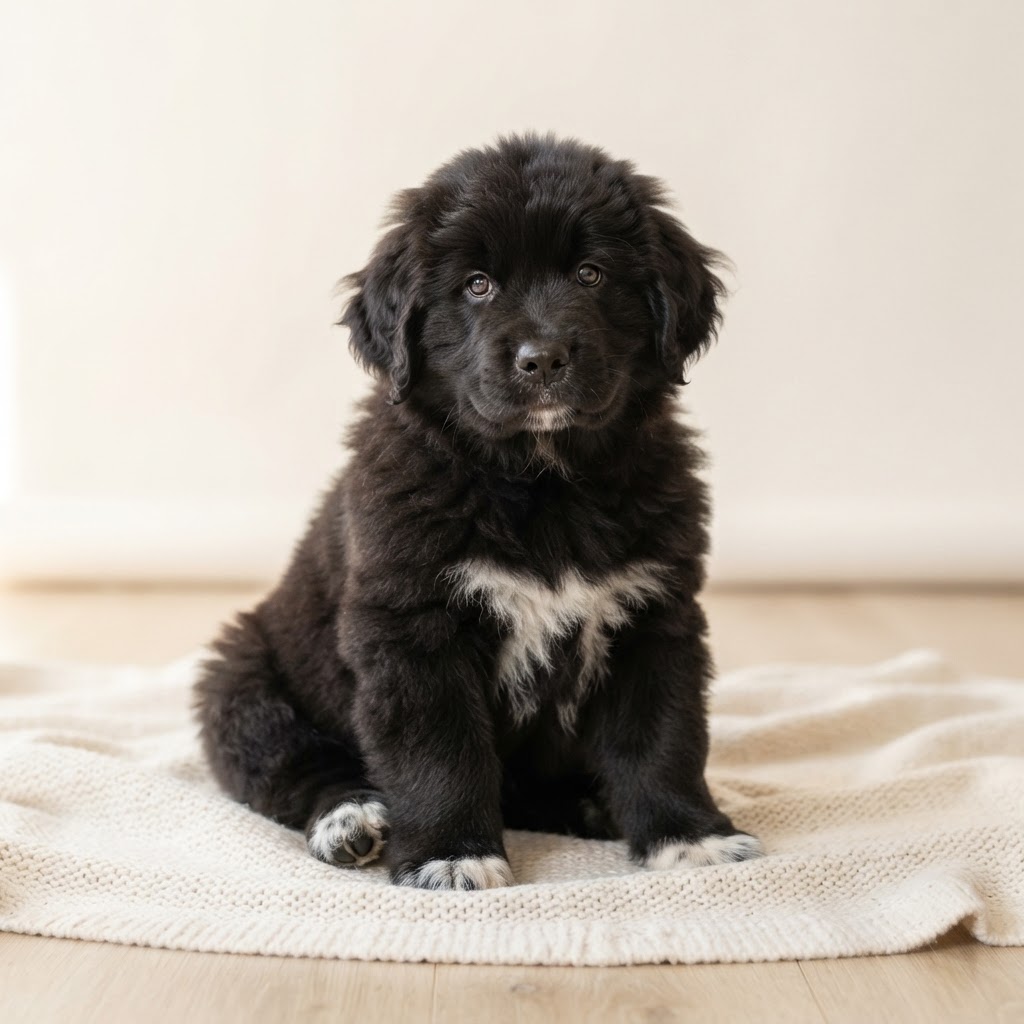
Guide for new puppy owners

Preparing a home for a Newfoundland puppy requires securing the floors, as slippery panels are deadly for developing paws. It is worth investing in non-slip mats in areas where the puppy stays most often. From day one, you should prepare a sleeping area that is in a quiet but accessible spot for household members. You must already have a grooming kit ready, including a soft-bristle brush, to get the dog used to touch. Also, ensure you have appropriate toys that will survive contact with sharp puppy teeth. The first month is primarily about potty training, which can be a challenge with this breed due to the fast growth rate of the bladder. You must count on frequent wake-ups at night and the need for frequent trips outside. It is also a time for building a bond, during which the puppy will test your limits and check how much it can get away with. There will be a lot of chewing on objects, so patience and consistency are absolutely essential. During this time, the most important thing is socialization—calmly showing the puppy the world without causing stress.

New owner checklist

  • Choosing a reputable breeder
  • Preparing a non-slip dog bed
  • Scheduling a vet visit
  • Purchasing high-quality food
  • Establishing a daily schedule

Required supplies

  • Slicker brush
  • Metal comb with wide-set teeth
  • Ear cleaning solution
  • Elevated food bowl stand
  • Guard-style harness

Common owner mistakes

The biggest mistake is forcing a puppy into long walks too early, which leads to permanent joint damage. Owners often forget about systematic brushing, which results in difficult-to-untangle mats that require painful fur shaving. We often encounter overweight issues resulting from too many treats given without control. Another mistake is not getting the dog used to grooming procedures from a young age, which makes the groomer's work in the salon much harder later. Many people also neglect ear and eye hygiene, leading to frequent, painful infections.

Life stages of the breed

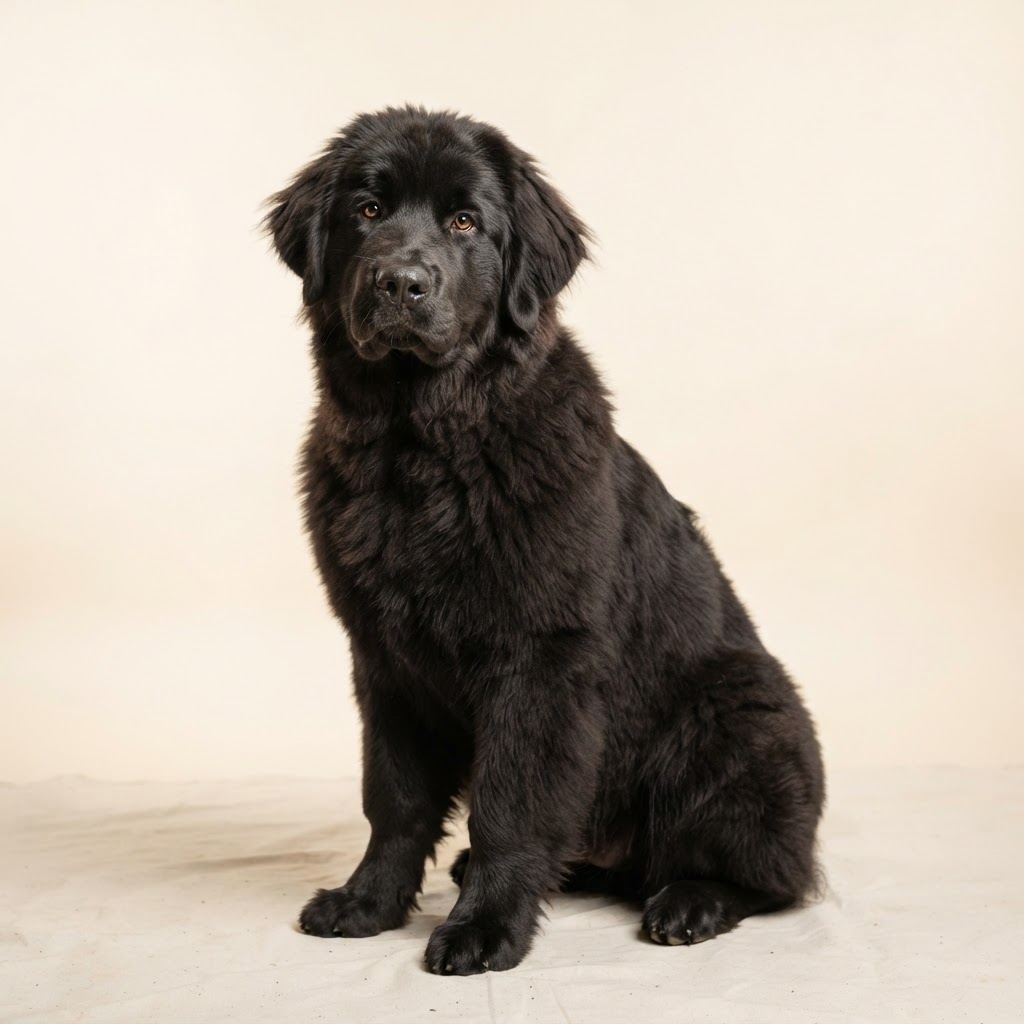
Nowofundland puppy

Puppy

A Newfoundland puppy is a bundle of energy in a fast-growing body, exploring the world with all its senses. At this age, socialization with grooming tools like brushes and dryers is paramount. We must acclimate the dog to touch in sensitive areas to avoid future stress. Regular, short grooming sessions build a positive bond between the dog and the owner.

Grooming: The foundation is learning to brush and checking ears and nails on a weekly basis.

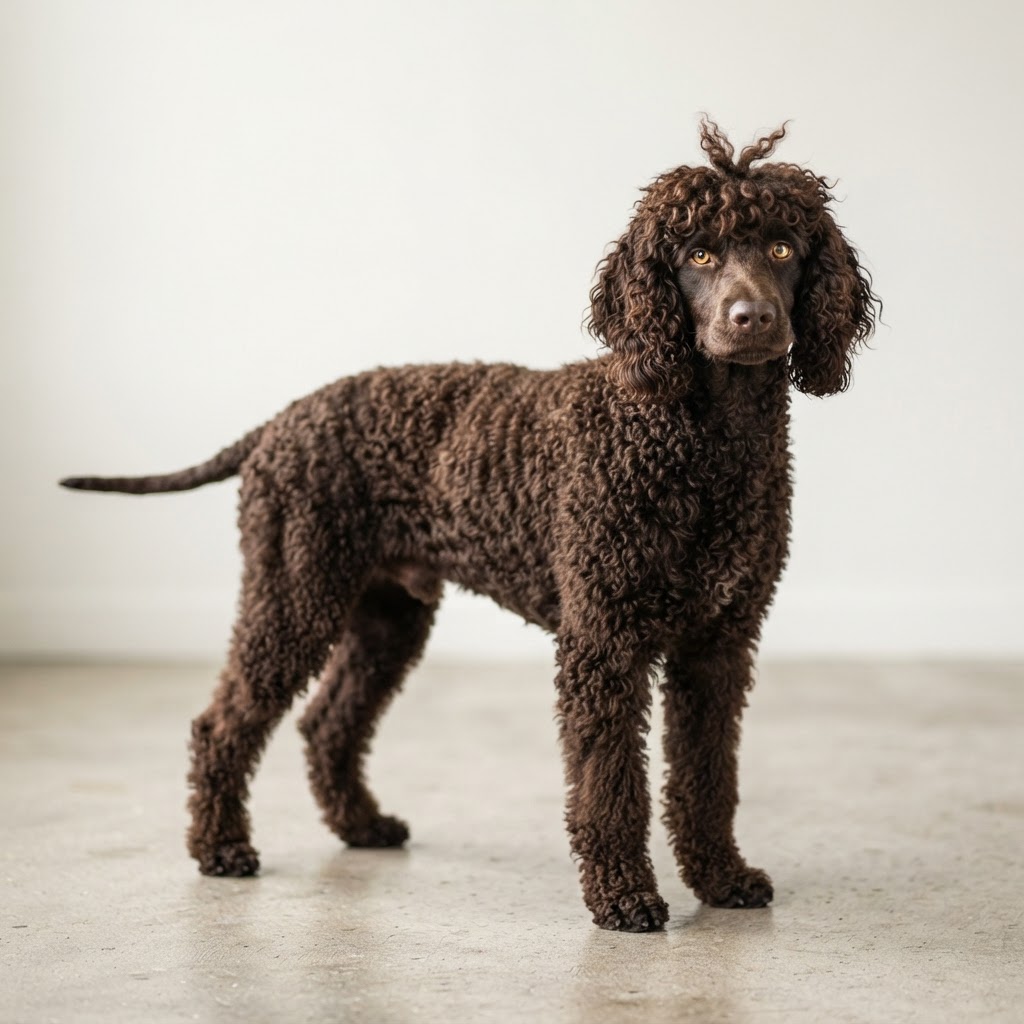
Nowofundland young dog

Young dog

A young dog undergoes a period of intense coat transition from puppy to adult, which promotes matting. At this time, the Newfoundland can become more impatient, so sessions in our salon require patience and positive reinforcement. This is the moment when the intensity of brushing must increase to prevent the undercoat from felting. Proper grooming at this age determines the quality of the coat in adult life.

Grooming: Frequent brushing and monitoring of the thickening undercoat every 3-4 days is required.

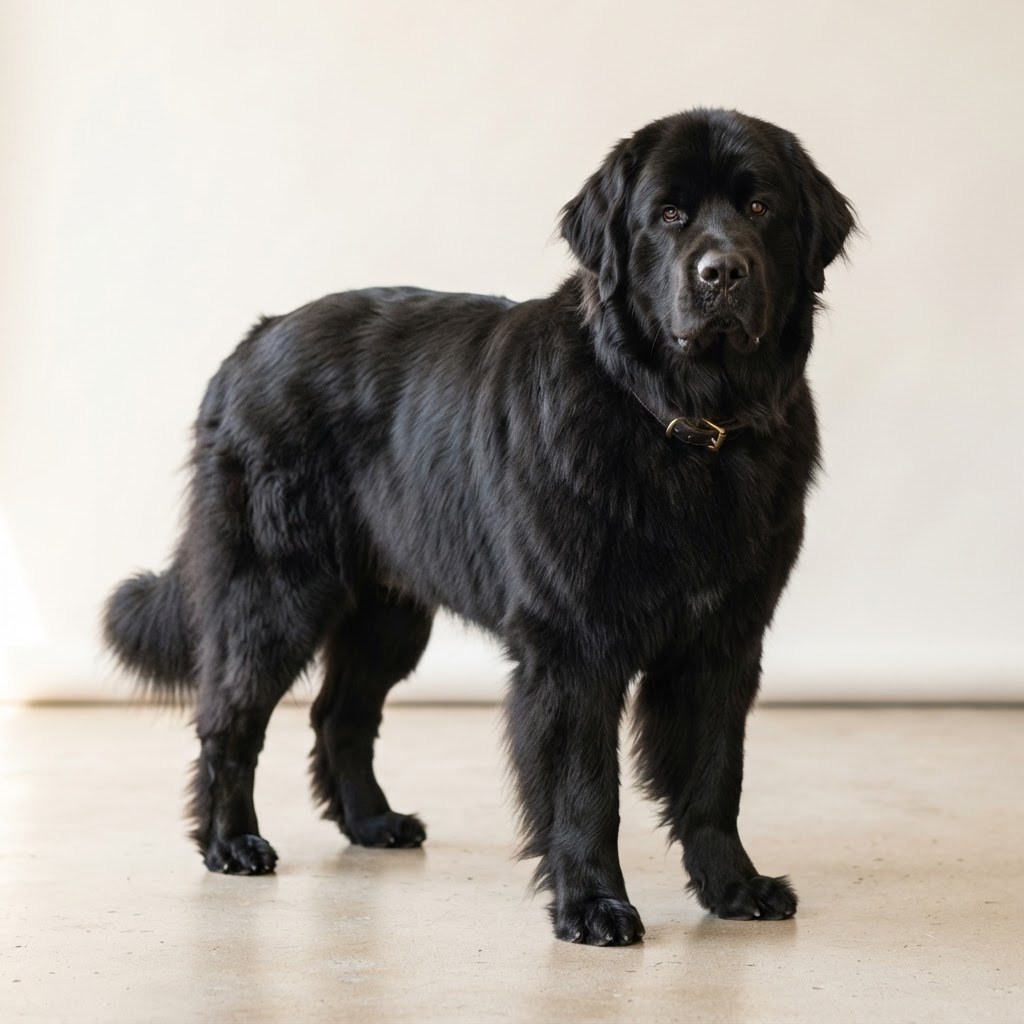
Nowofundland adult dog

Adult dog

An adult Newfoundland is a dog with an impressive coat that requires regular inspection of skin and hair condition. As groomers, we focus on removing dead undercoat, which prevents dermatological problems and unpleasant odors. Regular salon visits also allow us to monitor the condition of the paws and teeth. At this age, consistency is the key to maintaining the breed's proud appearance.

Grooming: Professional brushing once a month and daily home grooming.

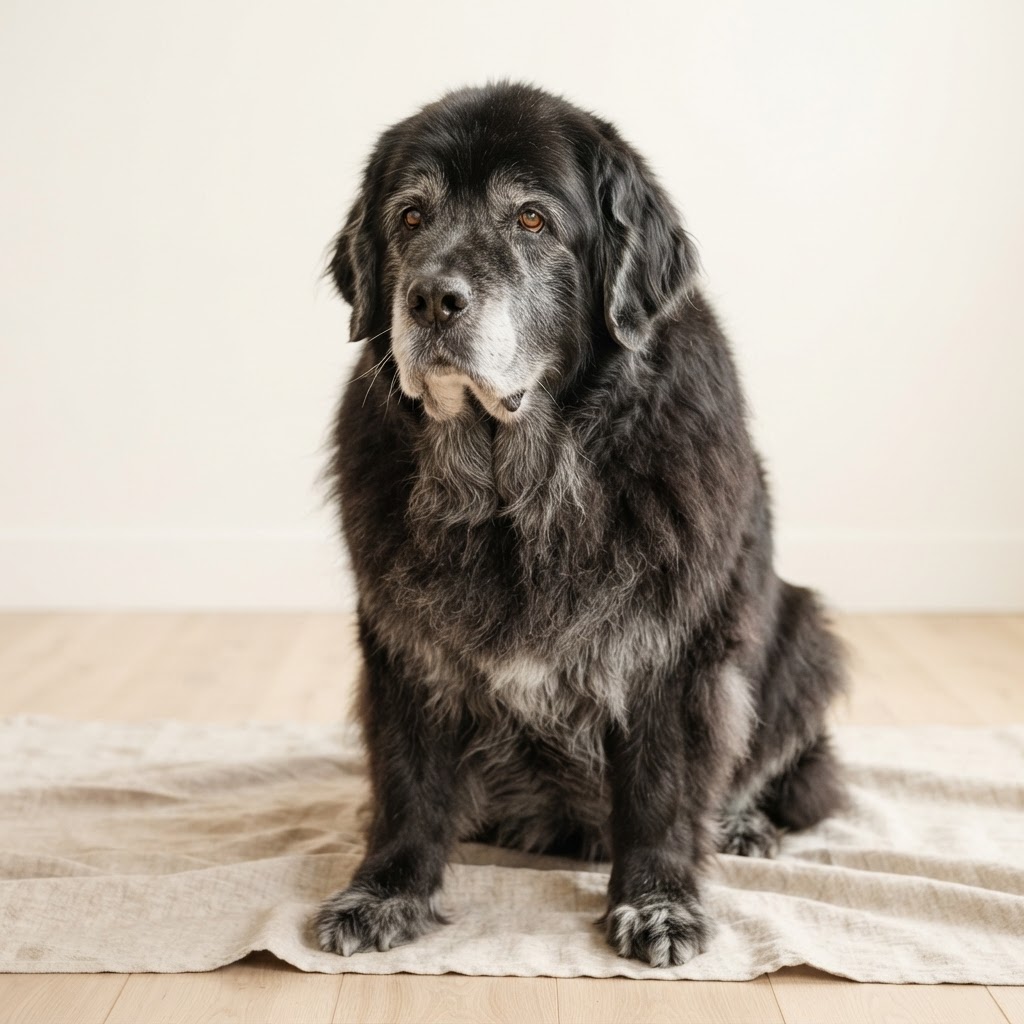
Nowofundland senior dog

Senior

Seniors require special care from us, as their joints and skin become more sensitive to touch. When working with an aged Newfoundland, we emphasize short sessions that do not physically tire the dog. We adapt the grooming technique to the current health status and comfort level of the pet. Gentle handling and being mindful of signs of discomfort are our priorities in the salon.

Grooming: More delicate brushing and frequent checks of paw pads and nails.

Popular grooming styles

Natural Breed Standard

This is the most classic grooming approach for a Newfoundland, highlighting its powerful silhouette. We focus on trimming the hair on the paws, breeches, and the ruff while maintaining a natural, fluffy appearance. We avoid using clippers on the torso because the double coat must maintain its thermal insulation function. A well-executed groom makes the dog look neat without appearing artificially clipped.

Maintenance:Challenging

Hygienic Utility Trim

This style focuses on the areas most prone to dirt, such as the perianal region, belly, and spaces between the paw pads. By shortening the hair in these areas, it is easier to maintain hygiene after walks in mud or rain. It is an ideal solution for active dogs that spend a lot of time outdoors. It reduces the risk of matting in strategic areas without altering the dog's overall look.

Maintenance:Moderate

Summer Relief Cut

This variant involves carefully brushing out the undercoat using professional tools, which significantly improves air circulation near the skin. We do not shave the dog, but perform precise thinning in areas with the densest hair to avoid overheating. This is a crucial service in our Marki salon during the hot summer months. It provides the dog with great comfort while maintaining protection against UV rays.

Maintenance:Moderate

Najczesciej zadawane pytania

Book a visit for your dog

Professional grooming tailored to your breed. Book your slot online.

Book a visit

We use cookies

We use cookies to improve your experience, analyse site traffic and show personalised ads. You can accept all cookies or manage your preferences.