What Can Dogs Not Eat? Toxic and Harmful Foods for Dogs
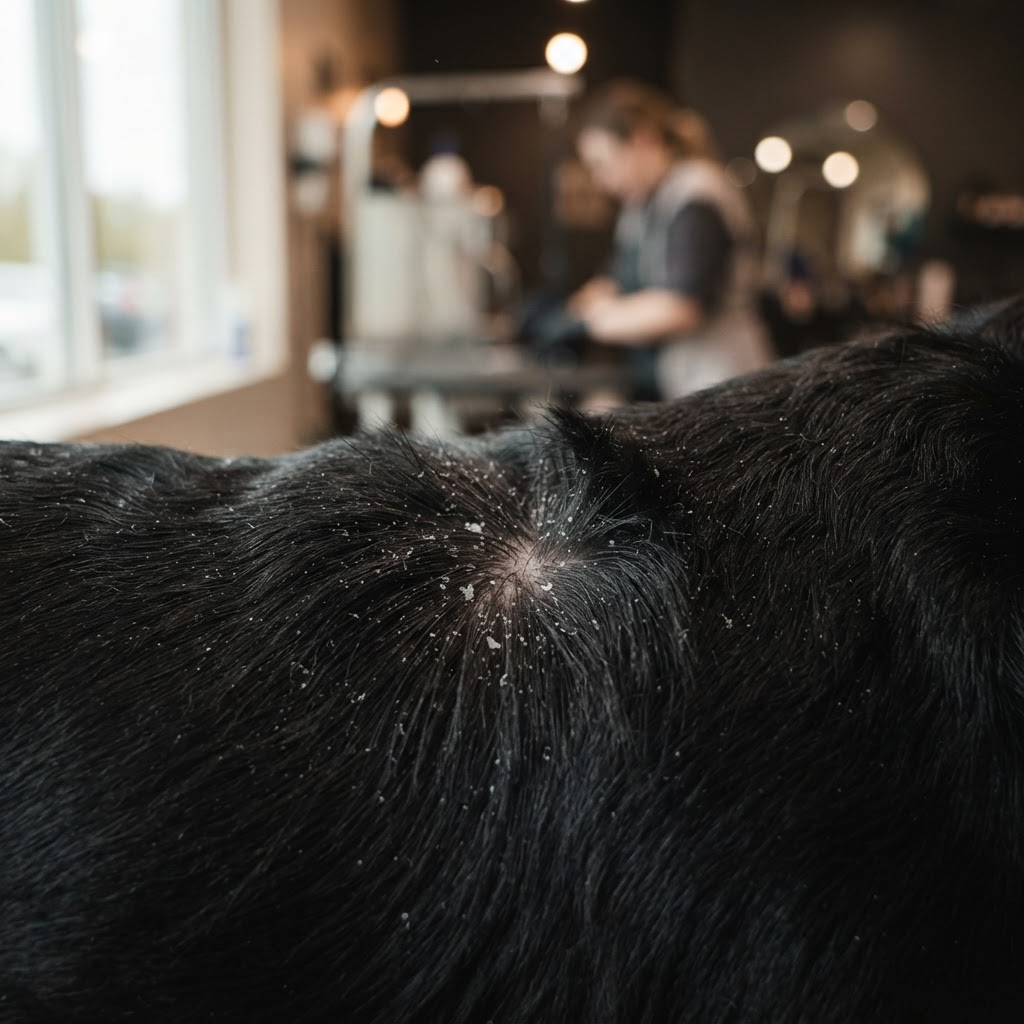
At Brego Dog Grooming Salon in Marki near Warsaw, our daily work revolves around the aesthetics and hygiene of our canine clients. However, years of grooming practice paired with animal behavior expertise have taught us that a dog’s coat and skin are a direct reflection of what goes into their bowl. During professional treatments such as a full dog bath Marki or precision dog haircut Marki, we frequently observe dull coats, excessive dander, intense seborrhea, or localized dermatitis. Detailed discussions with pet owners often reveal nutritional mistakes and sharing human foods. Worse still, some common kitchen ingredients pose far worse threats than skin issues: they can trigger acute organ failure and fatal poisonings. In this expert guide, we examine strictly toxic substances, chronically harmful foods, and life-saving protocols.
Critical Toxic Foods – Immediate Life Threats
Certain compounds found in everyday human diets trigger rapid pathology in dogs. Canines lack specific metabolic pathways to process these substances or respond to them in ways drastically different from humans.
Xylitol (Birch Sweetener)
Xylitol is among the most deceptive and potent toxins for canines. While in humans it does not stimulate significant insulin release, in dogs it causes severe, uncontrolled insulin secretion from pancreatic beta cells. Within 30 to 60 minutes, the dog experiences profound hypoglycemia. Symptoms manifest as ataxia, muscle tremors, severe weakness, collapse, and seizures. High doses can induce acute hepatic necrosis (liver failure). Xylitol is commonly found in chewing gums, sugar-free pastries, diabetic candy, "fit" peanut butters, and human toothpaste. For a 10 kg dog, ingesting just 1–3 pieces of sugar-free gum can prove fatal.
Chocolate, Cocoa, and Caffeine
Chocolate, cocoa beans, and coffee contain methylxanthines: specifically theobromine and caffeine. Dogs metabolize theobromine at a fraction of the human rate, leading to toxic accumulation in tissues. These purine alkaloids overstimulate the central nervous system and cardiovascular system, producing tachyarrhythmia, severe hypertension, hyperthermia, seizures, and respiratory failure. As a general rule: the darker the chocolate and higher the cocoa solids, the higher the toxicity. A few ounces of dark baking chocolate can kill a medium dog, while small breeds are at risk even from modest amounts of milk chocolate.
Grapes and Raisins
Grapes and raisins represent an idiosyncratic toxicity in dogs. The exact nephrotoxic agent continues to be investigated, and individual susceptibility varies widely. There is no confirmed safe threshold: in sensitive individuals, eating just a few grapes or raisins can cause acute renal failure with anuria (cessation of urine production). Dehydrated raisins present an even higher concentration of the nephrotoxin. The fact that a dog previously ate a grape without acute symptoms offers zero assurance that future ingestion will remain harmless.
Allium Species (Onions, Garlic, Leeks, Chives)
All members of the Allium family contain sulfur compounds (thiosulfates and disulfides) that cause oxidative damage to canine red blood cells. Hemoglobin denatures, forming Heinz bodies, which leads to premature hemolysis and severe hemolytic anemia. Cooking, boiling, baking, or dehydrating does not neutralize these compounds. Garlic and onion powders found in commercial broths, sausages, and seasoning mixes are exceptionally concentrated. Furthermore, allium toxicity is cumulative; recurrent micro-dosing can precipitate sudden crisis over time.
Macadamia Nuts, Avocado, and Raw Yeast Dough
- Macadamia nuts: Even small amounts trigger hind-limb weakness, ataxia, muscle stiffness, hyperthermia, and lethargy.
- Avocado: Contains persin, a fungicidal toxin present in high amounts in the seed, peel, leaves, and bark. Moreover, the dense round pit represents a catastrophic choking hazard and frequently causes intestinal obstruction.
- Alcohol and raw yeast dough: Ethanol is absorbed almost instantly through the stomach lining, producing metabolic acidosis, hypothermia, and circulatory collapse. Raw yeast dough expands rapidly in the warm, moist stomach environment, leading to gastric distension, while fermenting yeast generates alcohol directly inside the digestive tract.
Chronically Harmful Foods and Dietary Errors
In addition to immediate acute poisons, certain foods steadily undermine canine organ systems or create severe physical trauma along the digestive tract.
Cooked Bones
Thermal processing changes the cellular matrix of bone tissue, making it brittle. Instead of being digested, cooked bones splinter into razor-sharp fragments that can puncture the esophagus, tear the stomach wall, or form concrete-like impactions in the colon requiring emergency surgery. Never offer cooked poultry, pork, or beef bones to your pet.
Table Scraps and High-Fat Trimmings
Leftovers from human meals are saturated with sodium and dense fats. Ingesting fatty trimmings, gravy, or cured meats is a primary trigger for acute canine pancreatitis—a excruciating and potentially lethal condition. High sodium burdens the kidneys and cardiovascular system. For more insights on daily maintenance, review our guide to common mistakes in home dog grooming.
Cat Food and Dairy Products
Most adult dogs experience a natural drop in lactase synthesis, the enzyme that breaks down lactose. Feeding milk or dairy leads to bacterial fermentation in the colon, flatulence, and watery diarrhea. Cat food, while alluring to dogs, is formulated with higher protein and fat densities and entirely different micronutrient balances (such as elevated vitamin A and taurine levels). Frequent ingestion stresses the canine liver and kidneys.
The Dietary Link to Skin and Coat Health: A Groomer's Perspective
At Brego Salon in Marki, we can inspect a dog's nutritional history straight through their coat quality. The dermis is an active metabolic organ, and dietary imbalances quickly show up on the grooming table:
- Seborrhea and Odor: Diets rich in cheap fats and table scraps provoke the sebaceous glands to overproduce lipid secretions, leading to greasy coats and foul odor.
- Tear Stains: Light-colored breeds like the Havanese or Maltese rapidly display pronounced ocular discoloration due to porphyrin spikes caused by systemic dietary sensitivities.
- Coat Matting and Brittleness: Nutrient deficiencies compromise keratin structure, making hairs brittle and prone to severe knotting. In advanced scenarios, intensive tangle detangling Marki is necessary to salvage the fleece.
- Allergic Pruritus: Dietary intolerances provoke intense licking and paw-chewing, destroying coat uniformity and causing hot spots.
For wire-haired breeds requiring specialized hand-stripping, such as the Medium Schnauzer, an inflammatory diet softens the topcoat, hindering authentic dog hand stripping Marki.
Breed Predispositions and Body Size Factors
A dog’s physical frame dictates how severely and rapidly toxins take effect:
- Toy and Small Breeds (e.g., Yorkshire Terriers, Chihuahuas): Due to minimal body mass, toxic thresholds are microscopic. Two raisins or half a piece of dark chocolate can present an imminent medical crisis. Furthermore, small breeds deplete glycogen quickly and fall into rapid shock.
- Deep-Chested Large Breeds: Breeds like the Bernese Mountain Dog or the majestic Podhale Shepherd Dog are vulnerable to Gastric Dilatation-Volvulus (GDV). Ingesting raw dough, avocado pits, or heavy scraps can trigger fatal gastric torsion. Establishing healthy routines early is essential, which we address during puppy grooming Marki.
- Brachycephalic Breeds (Pugs, French Bulldogs): Due to elongated soft palates and narrowed airways, poisoning episodes involving vomiting present a heightened danger of aspiration pneumonia.
Behavioral Insights: Curbing Table Begging
Most poisonings do not happen intentionally; dogs scavenge or beg until a well-meaning relative offers forbidden food. From a behavioral perspective, table begging is learned through intermittent reinforcement. Feeding a dog even once from the table reinforces begging tenaciously.
Protect your dog by establishing firm behavioral boundaries:
- Enforce an absolute household rule: zero food from the human dining table.
- Condition a reliable impulse-control cue: teach commands such as "leave it" and reward exclusively with designated canine treats away from the meal area.
- Train a "place" cue: teach the dog to settle comfortably in their bed while the family eats.
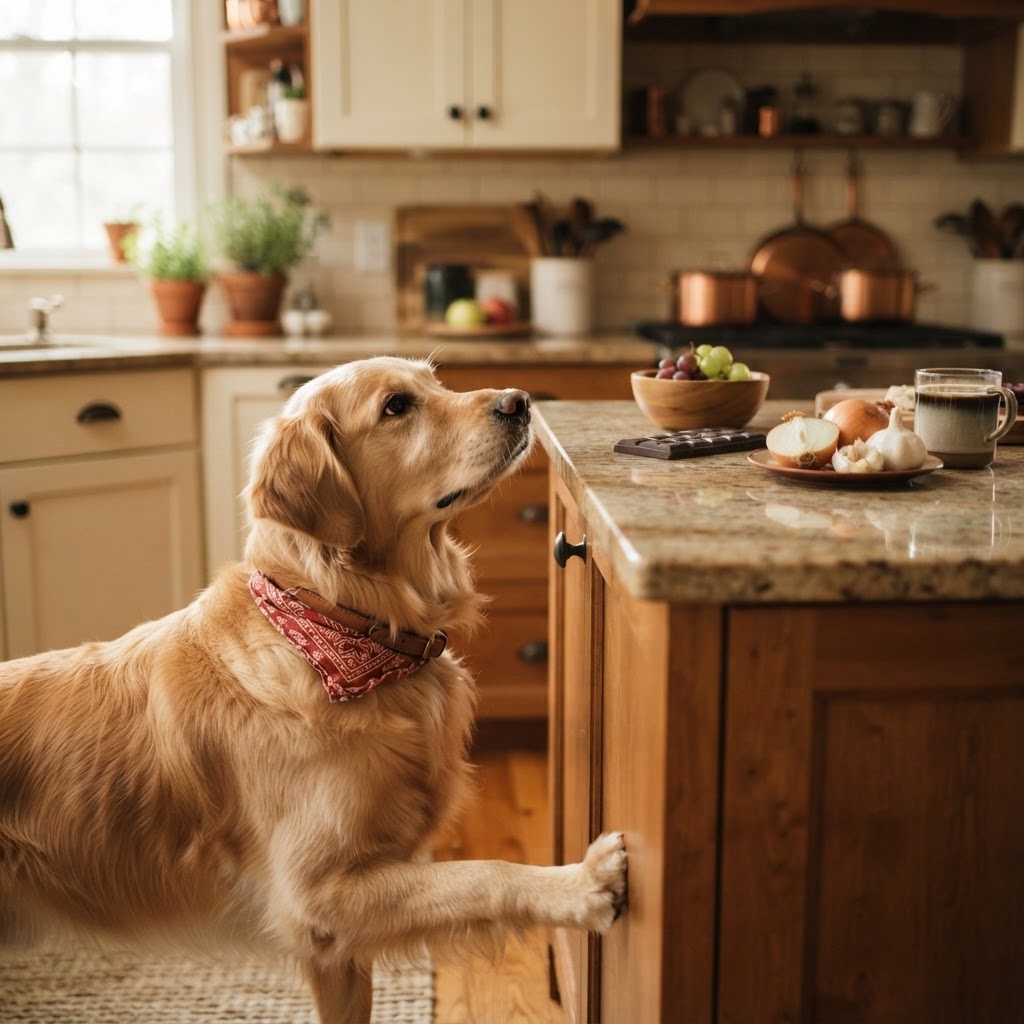
- Keep all countertops and coffee tables free from unattended grocery items, candy wrappers, and sugar-free products.
Emergency Protocol: What to Do If Ingestion Occurs
If your dog ingests a dangerous item, speed and clarity of action save lives. Follow these crucial steps:
- Identify the Toxin: Safely retrieve the packaging, note ingredient lists, calculate the estimated dose consumed, and check your dog's current weight.
- Do Not Induce Vomiting Blindly: Never give table salt (which causes lethal hypernatremic brain edema) or hydrogen peroxide without strict veterinary direction. Sharp bones or caustic chemicals will cause second-stage damage to the esophagus if vomited.
- Call an Emergency Vet Clinic: Contact an 24/7 emergency veterinary hospital in the Warsaw/Marki area immediately. Report what was eaten and the exact timeframe.
- Respect the Window of Opportunity: The safest gastric decontamination occurs within the first 60 to 120 minutes before toxic absorption into the bloodstream.
Total canine wellness begins from the inside out with proper nutrition and vigilant care. To give your companion the gold standard in coat hygiene, deshedding, and styling, book an appointment at Brego Dog Grooming Salon in Marki today!