Dog breeds

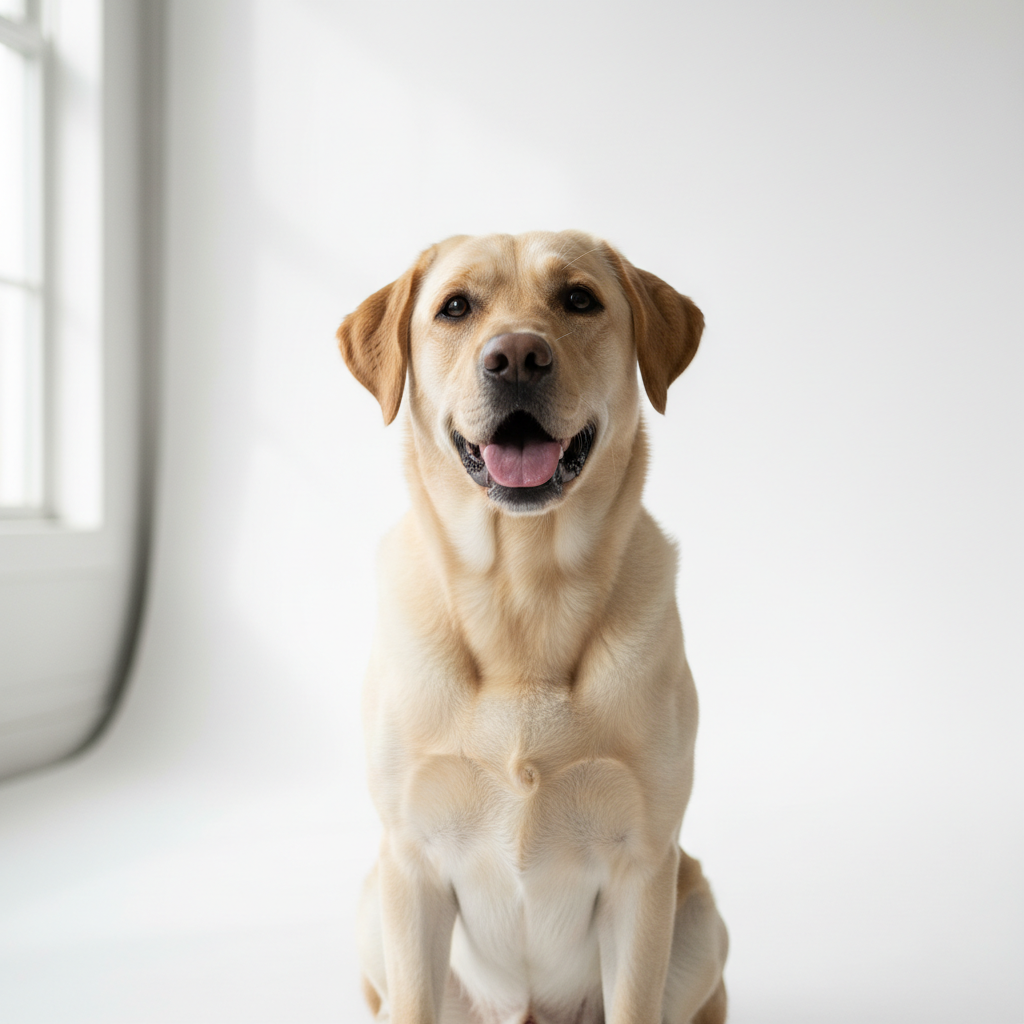
Labrador Retriever

A versatile athlete with a heart of gold, equally passionate about water retrieving and napping on the sofa after a hard workout. For this breed, human connection and a full bowl are the ultimate reasons for living.

Book a visit
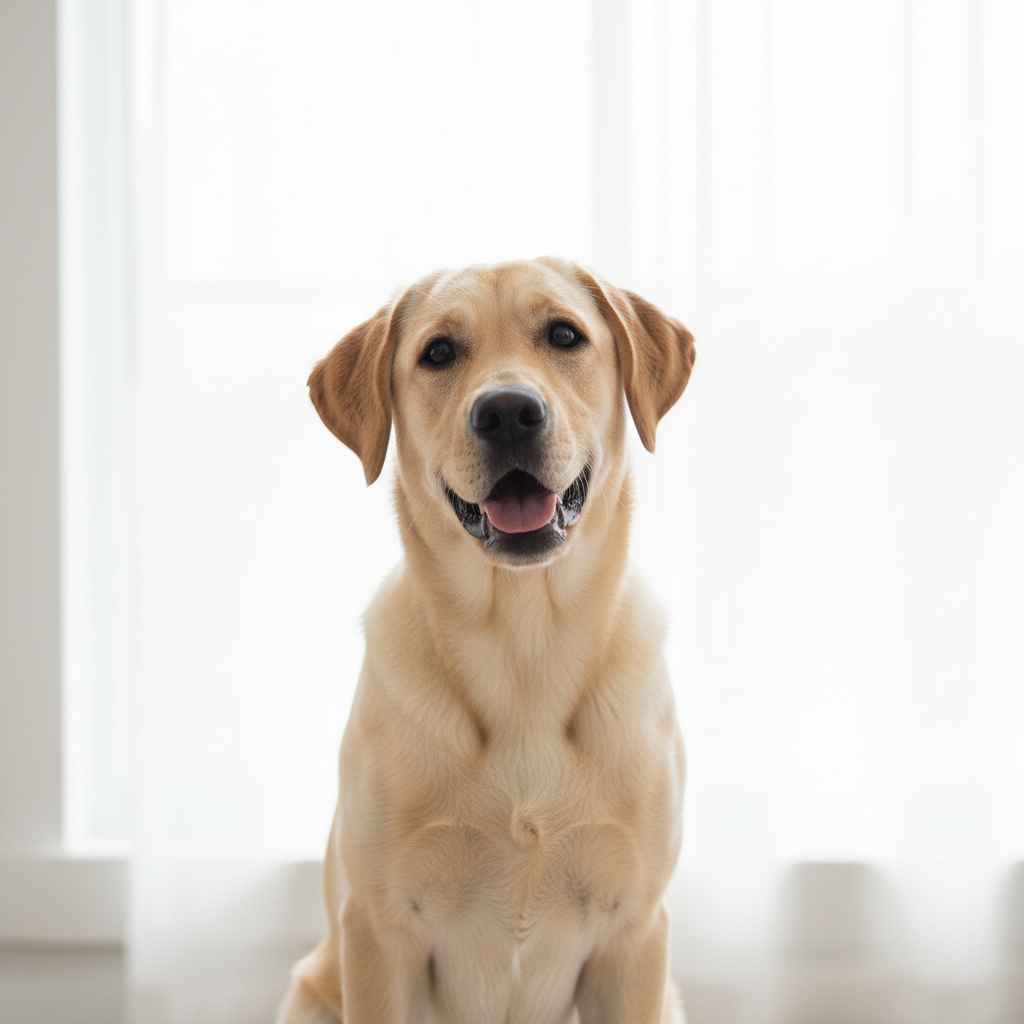
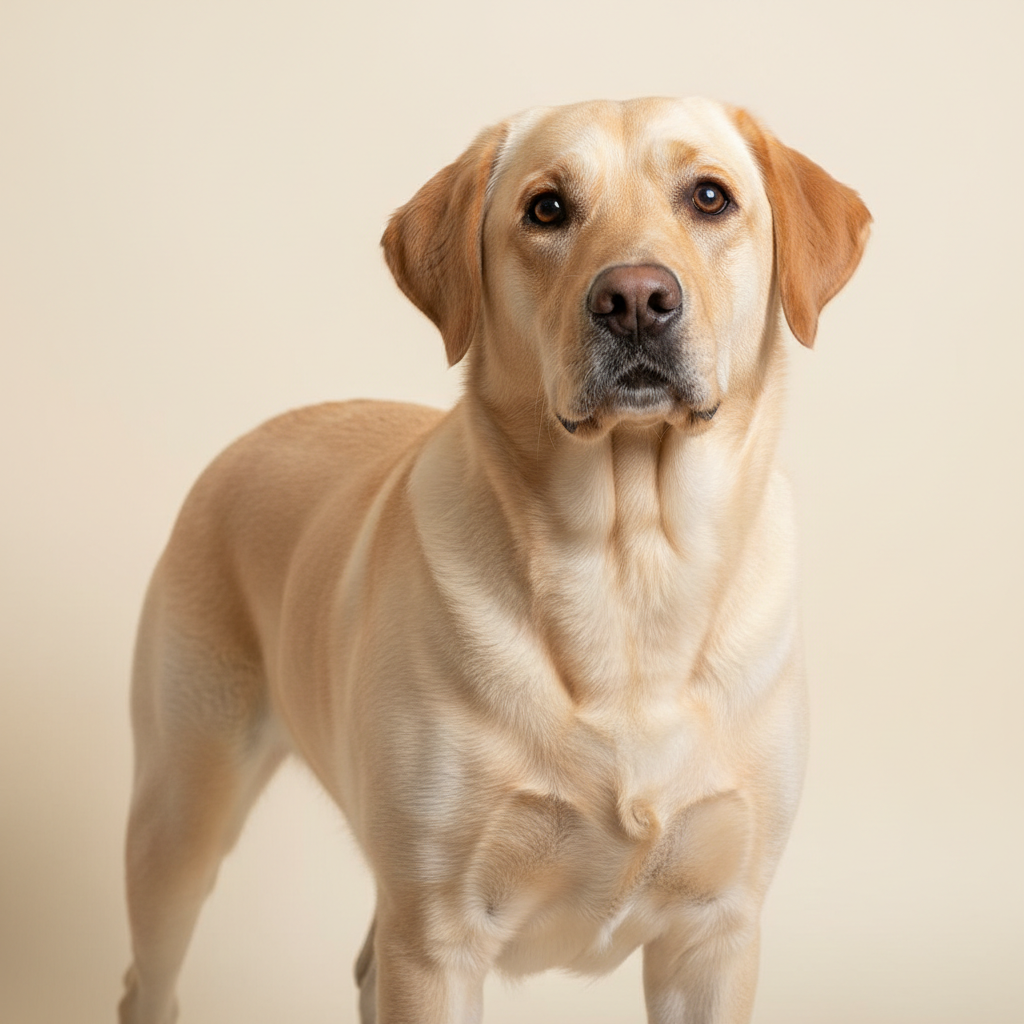
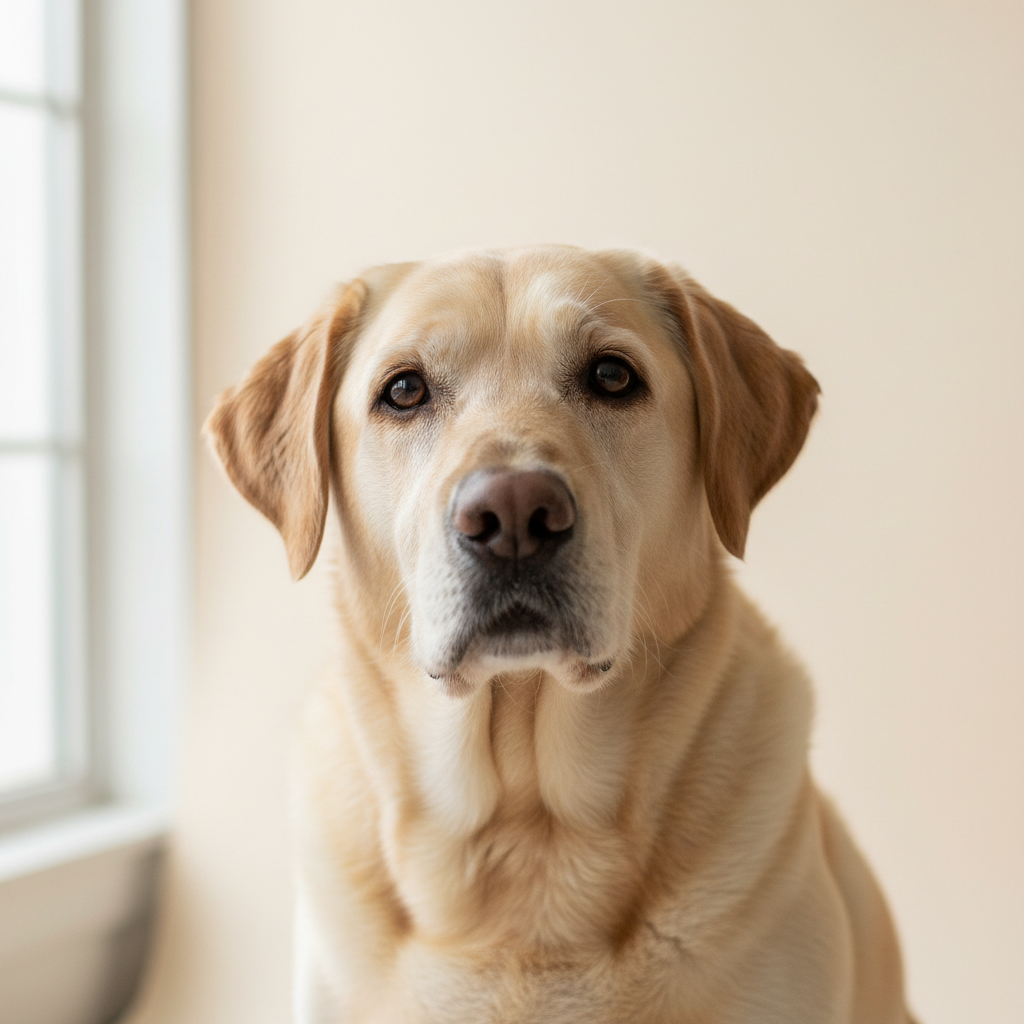
Adult Labrador Retriever dog

Quick Breed Facts

Size
Large
Weight
Adult males typically weigh between 29 and 36 kg, while females are slightly lighter, usually ranging from 25 to 32 kg. In our salon in Marki, we often see Labradors that are slightly overweight, which is common for the breed, making weight monitoring crucial. Maintaining a proper body weight is vital for their joints, which are under significant strain and require special care starting from puppyhood.
Height
Males stand between 56 and 57 cm at the withers, while females are slightly smaller, measuring from 54 to 56 cm. A Labrador should have a compact, strong build with a characteristic barrel-shaped ribcage. During visits to Brego Dog Grooming Salon, we ensure the dog maintains a proper posture, which facilitates the safe execution of grooming procedures.
Life expectancy
The average lifespan of a Labrador Retriever is between 10 and 12 years, with the quality of care and diet being key. Regular veterinary check-ups and maintaining ear and oral hygiene can significantly impact a senior dog's comfort. Many Labradors visiting our salon enjoy excellent condition even in old age thanks to an active lifestyle.
Coat
The Labrador has a characteristic, dense, and hard coat with a very abundant undercoat that serves as thermal insulation. The topcoat is short and saturated with natural oils, making the dog almost water-repellent after a swim in a lake or mud. To the touch, the coat should feel slightly coarse rather than silky, which is essential for protection against harsh weather conditions.
Shedding
High

Breed Ratings

Energy
Grooming difficulty
Trainability
Family friendly
First-time owners
Shedding
Apartment friendly
Child friendly

Professional grooming tailored to your breed. Book your slot online.

Book a visit

Personality & temperament

A Labrador's personality is a blend of irrepressible optimism and a massive need for closeness, making them a near-perfect family companion. We often observe at Brego that a Lab can 'smile' with its entire body, wagging not just the tail but their whole rear end, which is charming but makes precision grooming a challenge. They are extremely food-motivated, which serves as a brilliant training tool but requires iron discipline from the owner regarding treat portions. Their loyalty is boundless, yet a lack of proper mental stimulation can quickly turn them into creative destroyers of household property. The breed's temperament is marked by great emotional stability and patience, which means they rarely exhibit aggressive behaviors. These are confident dogs that usually enter the grooming salon with heads held high and wagging tails, ready for new experiences. While they can be hyperactive during puppyhood, they become pillars of calm with age, provided they receive a regular dose of exercise and scent work. Their reactions to external stimuli are usually enthusiastic, which requires the owner to teach the dog emotional self-control from the very first months of life. In social settings, Labradors are typical extroverts who treat every person they meet like a potential best friend. Their enthusiasm can be overwhelming for smaller dogs, as Labs often fail to manage their mass during joyful greetings. In a pack, they usually act as peacemakers, avoiding open conflicts and preferring a joint game of chase or tug-of-war. However, they require training in 'disengagement' so they don't rush every dog in the park, which is crucial for safety in the urban environment of Marki. These are highly confident dogs that usually handle the noise of dryers or clippers in the grooming salon very well. Their sensitivity is primarily directed toward their relationship with humans—a Lab handles isolation and harsh punishment very poorly, as it extinguishes their natural zest for life. Despite their physical resilience, they emotionally require gentle but consistent guidance based on positive reinforcement. They are excellent at reading their owner's body language, often trying to comfort a sad family member by insistently resting their head on their lap.

Is this breed right for you?

The ideal Labrador owner is an active individual who is not afraid of mud on their clothes and ubiquitous fur throughout the house. You must be consistent, as these dogs are masters of manipulation, capable of coaxing extra treats with their famous 'sad eyes' look. We are looking for someone who understands that a Labrador is a working dog that needs a relationship with humans and shared tasks, not just a backyard ornament. At Brego, we often see Labs that are truly happy only when their owner is a leader setting clear boundaries and providing stimulation. If you value shared forest trips and don't mind a 'shadow dog,' you will be thrilled. This breed fits perfectly into families with children, provided the little ones are taught to respect the animal's space. They are excellent companions for runners, hiking enthusiasts, and people interested in therapy work or search and rescue. Thanks to their immense gentleness and innate desire to cooperate, a Lab will thrive with anyone looking to spend active time outdoors. In Marki, we have many green areas where these dogs can fulfill their passion for fetching and sniffing. A Labrador will adapt to both a house with a garden and an apartment, provided its exercise needs are met.

Who may struggle with this breed

A Labrador is absolutely not suitable for perfectionists who cannot tolerate stiff fur embedding itself in carpets and wet nose marks on windows. People leading a sedentary lifestyle will quickly tire of this dog's energy, which can lead to furniture destruction out of pure boredom. It is also not a dog meant for a kennel or a chain; isolation from the pack causes deep depression and separation anxiety. If you work 12 hours a day and have no help with the dog, this breed will be unhappy with you. Also, elderly people may have difficulty controlling such a strong and energetic dog on a leash.

Grooming

We recommend a visit to the grooming salon every 6 to 8 weeks to professionally remove the dead undercoat and manage shedding. During coat-changing periods, namely spring and autumn, visits can be more frequent to provide relief for both the dog and the owners. Regularity helps prevent skin inflammation under lingering, old hair. A standard visit includes thorough removal of dead hair using carding techniques, a bath with a specialized degreasing shampoo, and drying with a powerful airflow. A 'blaster' dryer is our best friend, as it effectively removes undercoat remnants that aren't visible at first glance. The procedure concludes with ear care, which requires special attention in Labradors, and claw trimming. For this breed, we do not use clippers or thinning shears to change the hair length, as this destroys the coat structure and insulation functions. Labrador grooming is primarily about hygiene and removing excess dead hair so the skin can breathe freely. At Brego Salon, we focus on bringing out the natural shine of the coat and aesthetically leveling the 'feathers' on the tail if the owner desires. The biggest challenge is intense shedding, which in Labradors lasts almost year-round with two distinct seasonal peaks. Another issue is recurrent ear infections caused by their floppy ear structure and the breed's love for water, which promotes bacterial growth. We also frequently encounter 'hot spots,' localized skin inflammations resulting from failing to dry the thick undercoat thoroughly after a bath. The owner should brush the Labrador at least once a week using a rubber curry comb or a professional slicker brush. It is very important to regularly check the condition of the ears, especially after walks near the Długa river or the reservoir, to avoid moisture buildup. After every walk in the rain, the dog should be thoroughly wiped with a towel, paying attention to the underbelly and groin areas. From the first weeks, it's worth getting the puppy used to paw handling, ear inspections, and the sound of a dryer, which is essential at Brego Salon. The first introductory visit should happen after all vaccinations so the pup can get to know the smells and grooming table through play. Early introduction to bathing with gentle shampoos will help avoid fear of water in the future, making life easier for every owner.
Lifestyle requirements

Living with a Lab is a constant battle with shedding, so regular groomer visits for de-shedding the dead undercoat are absolutely crucial. You must prepare for daily walks regardless of the weather, as rain and mud are the ultimate fun for a typical Labrador. At home, it is worth investing in easy-to-clean floors and a powerful vacuum cleaner that can handle the short, needle-like hair. Remember that these dogs love water, so every puddle on a walk in the local forests will be their target. Labs also require constant weight monitoring, as they have a genetic predisposition to overeating and obesity. This is not a dog satisfied with a short walk around the block; it needs at least one hour of intense, varied exercise daily. Fetching a ball, swimming in nearby ponds, or jogging together are basics for maintaining good physical and mental health. Lack of proper exercise quickly results in weight gain, which drastically burdens hip and elbow joints in this breed. In our salon in Marki, we often advise owners on fitness maintenance to avoid costly orthopedic issues. Remember that a tired Lab is a well-behaved Lab that will sleep peacefully after coming home. Labs are exceptionally intelligent beasts that, without mental work, will find their own 'job,' usually destructive to your shoes. Scent work is an ideal way to tire out a Lab without excessive joint strain. It is worth using snufflemats, Kong toys, and teaching new tricks that engage their immense desire to cooperate with humans. A daily 15-minute obedience training session can tire a dog more than a two-hour walk in a straight line. A Labrador needs to feel useful, so it is worth involving them in games involving searching for hidden objects or family members.

Guide for new puppy owners

Before the puppy arrives, secure cables, hide expensive shoes, and prepare for the 'land shark' phase, which can be very intense with Labs. Choose only a breeder registered with ZKwP who performs full dysplasia screenings on parents to save yourself from future health dramas. Buy a solid dog crate to serve as a safe haven and significantly speed up the potty training process. Also, schedule the first groomer visit in Marki for an 'adaptation visit' so the pup gets used to the smell of cosmetics and the sound of the dryer. Remember to buy hard rubber toys that can survive the puppy's strong jaws. The first month is a time for intense potty training and bonding, but prepare for at least a few sleepless nights. Expect the puppy to try and nip at your hands and pant legs – it is their way of exploring the world, which you must redirect to chew toys. You must introduce clear rules from day one, not giving in to whining at the table or attempts to sleep in the bed if that is not the ultimate plan. This is also a crucial moment for socialization with various sounds, people, and other dogs, but always in controlled and safe conditions. Be patient, as a Lab at this age is a volcano of energy with a very short attention span.

New owner checklist

  • Enrolling in a professional puppy school
  • Establishing a strict feeding schedule and portion weights
  • Buying a safety gate for stairs in the house
  • Finding a trusted veterinarian in Marki or the surrounding area
  • Choosing a professional grooming salon for refreshing visits
  • Registering the microchip in an international database
  • Removing poisonous plants from the puppy's reach

Required supplies

  • Rubber curry comb and a metal comb with rotating teeth
  • Strong standard leash (not flexi) and a wide collar
  • Original Kong-style toys for food stuffing
  • High-quality food dedicated to large breed puppies
  • Large, easy-to-clean orthopedic dog bed
  • Hypoallergenic shampoo for short-haired dogs
  • Long training line (5-10 meters) for recall training
  • Odor neutralizer for potty training

Common owner mistakes

The biggest mistake is overfeeding – the 'hungry look' is a breed trait, not a sign of starvation, and obesity shortens their lives. Many owners neglect loose-leash walking training, which becomes dangerous for the handler when a 35 kg dog lunges toward another dog. Another mistake is infrequent brushing of the undercoat, which leads to matting of dead hair near the skin and dermatological issues. You must also not allow puppies to jump excessively or run up and down stairs due to dysplasia risks. A common mistake is also a lack of consistency in preventing begging at the table, which builds bad habits for years.

Life stages of the breed

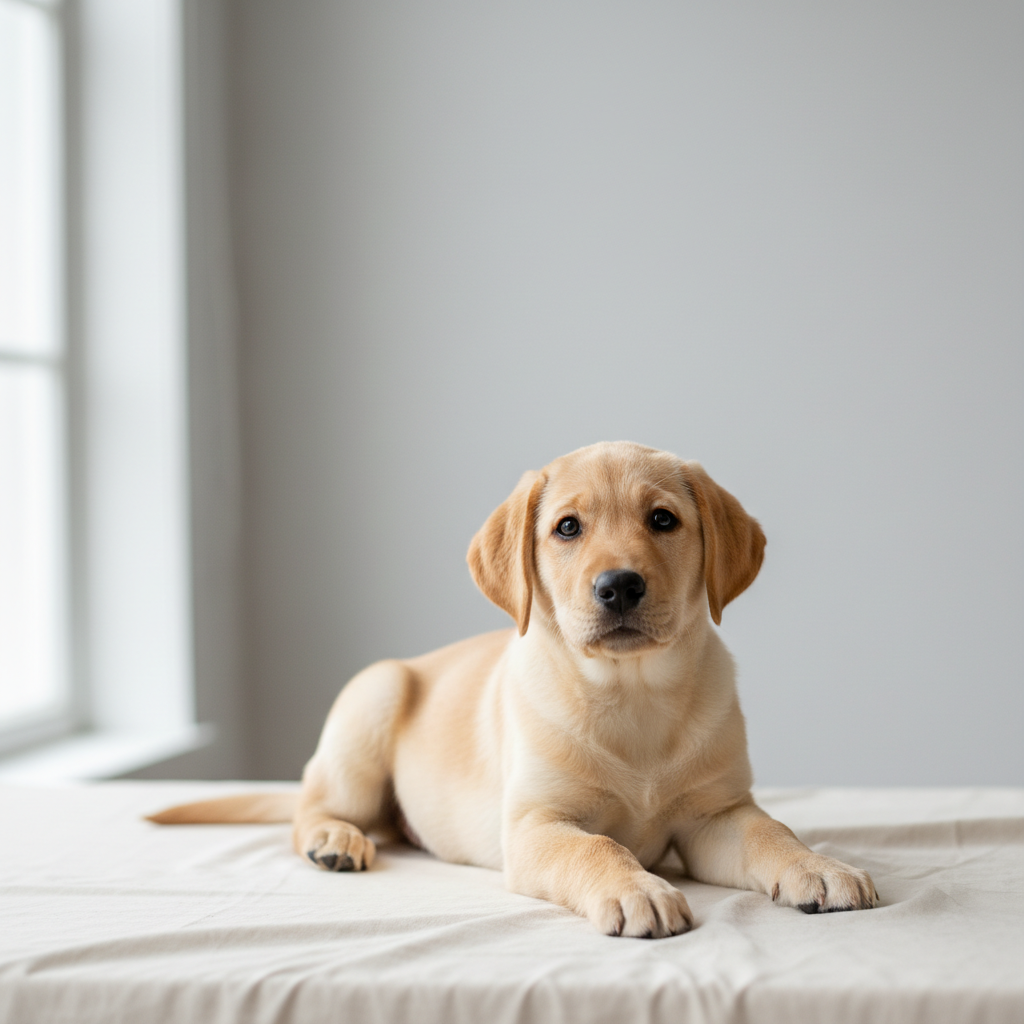
Labrador Retriever puppy

Puppy

A Labrador puppy is a little explorer whose coat is still soft and fluffy, resembling a delicate down. This is a key moment for socialization with grooming tools, the sound of the dryer, and a stranger's touch around the paws and ears. At this age, we build foundations of trust that will allow the dog to enjoy salon visits for the rest of its life. The first visits should be short, full of positive reinforcement and treats.

Grooming: We focus on so-called 'adaptation visits', including gentle brushing with a soft brush and getting used to bathing in lukewarm water. We teach the puppy to stand calmly on the table and safely trim nails, which is a challenge given a puppy's high mobility. It is important to frequently check the ears to prevent early infections typical of lop-eared breeds.

Labrador Retriever young dog

Young dog

A young Labrador (up to about 2 years old) goes through a turbulent period of replacing its puppy coat with an adult, harsh coat. This often involves an immense intensity of shedding and overproduction of sebum, which can give the dog a characteristic, unpleasant smell. A dog of this age has tons of energy, so at Brego salon, we ensure the treatment is dynamic yet stress-free. This is the time when the final texture and density of the undercoat are formed.

Grooming: We introduce intensive brushing of the dead undercoat and degreasing baths using professional deep-cleansing shampoos. Regular removal of old hair allows the skin to breathe and stimulates the growth of a healthy coat, preventing skin problems. We also start regularly modeling the line of the paws and tail to maintain a neat look for the growing dog.

Labrador Retriever adult dog

Adult dog

An adult Labrador has a thick, double-layer coat that acts as a thermal barrier against both cold and heat. A fully grown dog requires regular grooming so that its natural cooling system works efficiently and does not lead to overheating. Dogs of this breed love water and mud, which means their skin is often exposed to moisture and the formation of so-called hot spots (acute moist dermatitis). Professional drying is key to maintaining health here.

Grooming: The main task is cyclical de-shedding every 2-3 months, which keeps the home clean and provides the dog with thermal comfort. We use conditioners that close the hair cuticle, protecting the fur from excessive dirt and dust buildup during walks. We always check the condition of elbow calluses and clean the ears, which require constant supervision in adult individuals.

Labrador Retriever senior dog

Senior

A senior Labrador often struggles with joint stiffness and metabolic changes that affect the quality of its coat. The fur may become duller, drier, or thinner, and benign lumps or lipomas may appear on the skin. At this age, the priority in our salon is maximum comfort and safety for the older dog. We shorten treatment times to the necessary minimum and use soft mats on the grooming table.

Grooming: We focus on very gentle brushing and avoiding sudden movements that could cause the dog pain. Nails in seniors grow faster due to lower activity, so regular trimming is essential to maintain walking stability. We use hypoallergenic and moisturizing shampoos to soothe the itching of dry, aging skin.

Popular grooming styles

Professional De-shedding Treatment

This is the most crucial treatment for a Labrador, focusing on removing the dead undercoat without damaging the guard hair. In our Marki salon, we use an active foam bath technique that loosens hair follicles, followed by blow-drying the excess fur with a high-velocity professional dryer. This process reduces the amount of loose hair in the home by up to 80%. We finish the treatment by precisely brushing out the remaining fur using rubber curry combs and rake tools.

Maintenance:Easy

Breed Standard Show Grooming

This is a subtle silhouette correction aimed at highlighting the Labrador's strong, athletic build according to the breed standard. We focus on evening out the tail line (the 'otter tail') using thinning shears and tidying up protruding fur on the chest and britches. We do not use clippers, but instead manually correct details so the dog looks natural, neat, and elegant. This style is chosen by owners who value a perfect look for their pet during walks.

Maintenance:Moderate

Sanitary & Paw Hygiene Package

A style dedicated to Labradors that spend a lot of time outdoors, especially in the forests near Warsaw. We shave the hair between the paw pads, which prevents bringing sand into the house and the formation of painful mud mats. Nails are trimmed and filed smooth, protecting the dog's joints from improper loading on hard surfaces. Additionally, we tidy up the sanitary areas, ensuring the dog remains fresh and clean after every walk.

Maintenance:Easy

Najczesciej zadawane pytania

Book a visit for your dog

Professional grooming tailored to your breed. Book your slot online.

Book a visit

We use cookies

We use cookies to improve your experience, analyse site traffic and show personalised ads. You can accept all cookies or manage your preferences.